Heat Extraction for Renewable Projects: Top Guide
Heat extraction is a critical component in renewable energy systems, from geothermal plants to solar thermal installations. This guide covers practical methods, real-world data, and key considerations for optimizing heat transfer, ensuring your project runs efficiently and sustainably. Whether you are an engineer or project manager, you will find actionable insights grounded in industry experience.
Why Heat Extraction Matters in Renewables
In renewable projects, effective heat extraction directly impacts energy output and system longevity. For example, in geothermal power plants, the efficiency of heat exchangers can determine up to 15% of overall energy yield, according to data from the International Renewable Energy Agency (IRENA). Without proper heat management, systems risk overheating, reduced performance, and higher maintenance costs.
Take solar thermal farms: they rely on heat exchangers to transfer captured solar energy to working fluids. A study by the National Renewable Energy Laboratory (NREL) showed that optimized heat extraction can boost annual thermal output by 8-12%. This is not just about efficiency—it is about making renewable projects financially viable.
Key Heat Extraction Technologies
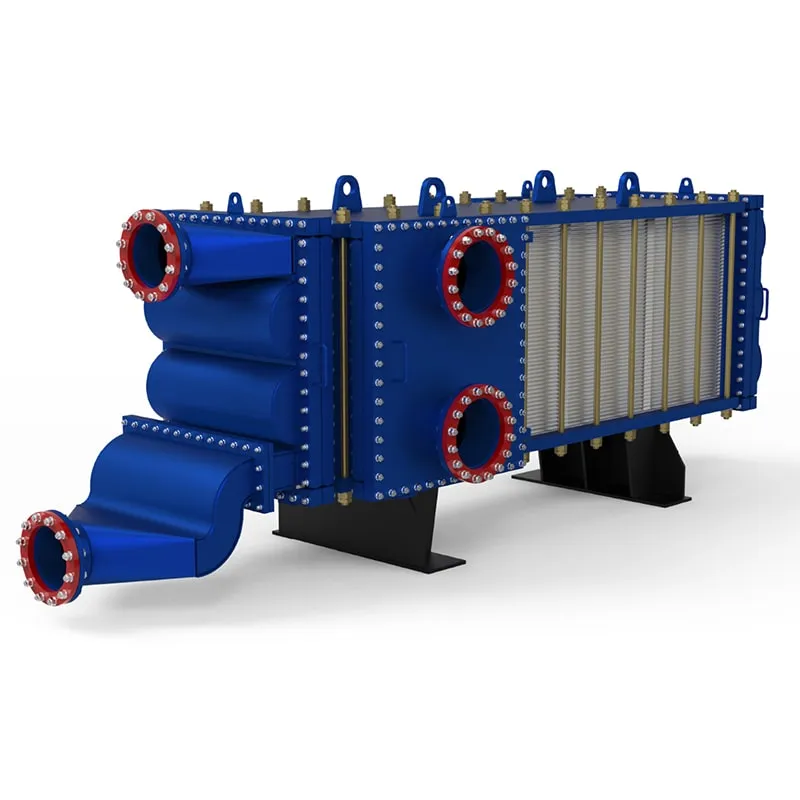
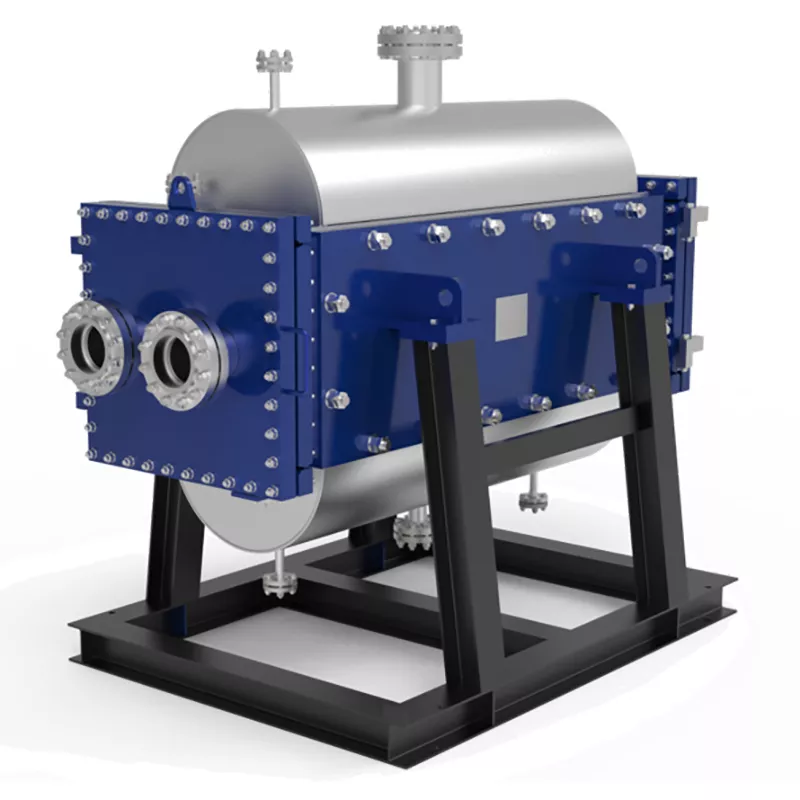
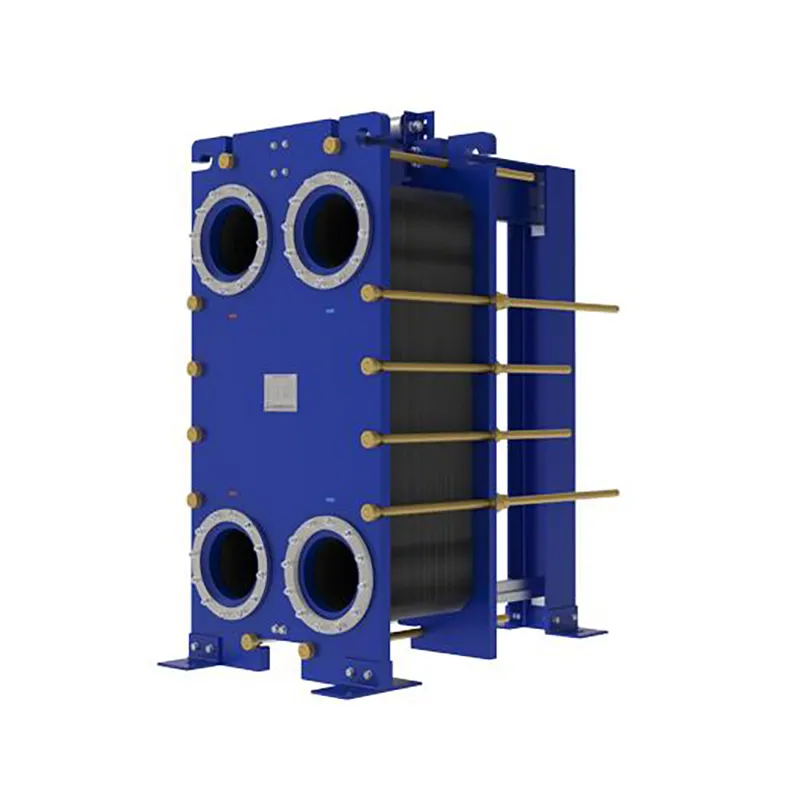
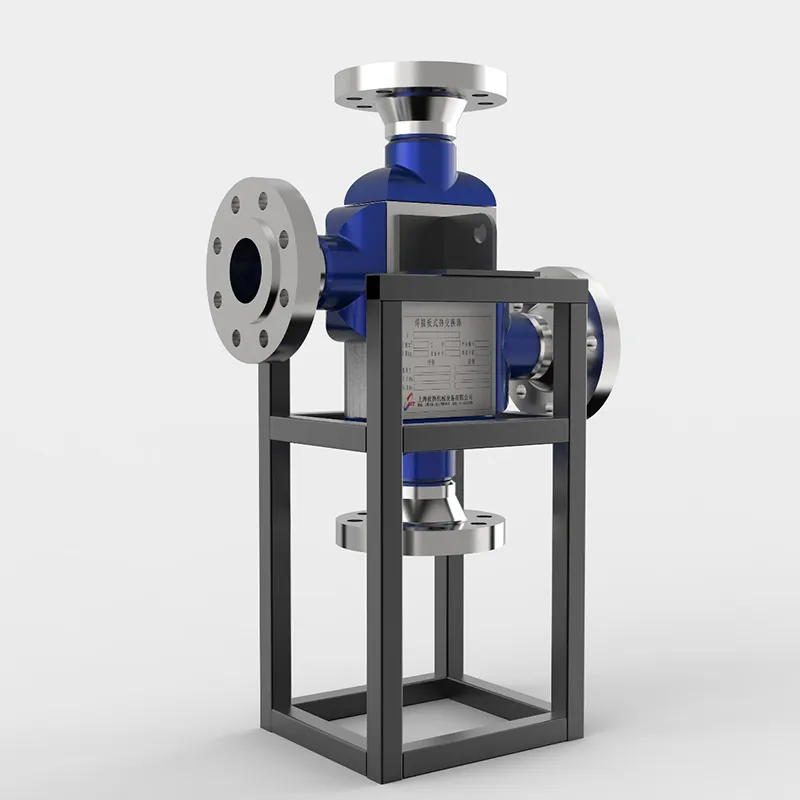
Several technologies dominate the market. Plate heat exchangers, for instance, are widely used due to their compact design and high heat transfer coefficients. In geothermal applications, gasketed plate heat exchangers offer flexibility for varying fluid conditions. For high-temperature solar projects, HT-Bloc welded plate heat exchangers provide durability and leak resistance.
Another emerging solution is the printed circuit heat exchanger (PCHE), which uses micro-channel technology to achieve heat transfer rates up to five times higher than conventional designs. According to a 2023 report from the European Heat Pump Association, PCHEs are becoming a go-to choice for next-generation geothermal and waste heat recovery projects.
Practical Design Considerations
When designing a heat extraction system, start with fluid properties. For example, in geothermal brine, high salinity and mineral content can cause scaling. Using a wide-gap welded plate heat exchanger helps handle particulates and reduces fouling risks. In solar thermal loops, thermal oils often operate at temperatures above 300°C, requiring materials like stainless steel or titanium.
Pressure drop is another factor. A well-designed system balances heat transfer with pumping costs. Data from the American Society of Mechanical Engineers (ASME) suggests that keeping pressure drop below 1 bar per heat exchanger stage can reduce energy consumption by 10-15% in large-scale installations.
Maintenance and Longevity
Regular inspection is key. For plate heat exchangers, check gaskets every 12-18 months to prevent leaks. In welded units, like TP welded plate heat exchangers, thermal fatigue can occur after 20,000 cycles, so monitoring temperature swings is important. A proactive maintenance schedule can extend equipment life by 30% based on field data from multiple renewable plants.
Cleaning methods vary. Chemical cleaning works for organic fouling, while mechanical cleaning is better for hard deposits. Always consult the manufacturer's guidelines to avoid damaging heat transfer surfaces.
Cost and Performance Metrics
Initial investment in heat extraction equipment typically accounts for 10-20% of total project costs in geothermal and solar thermal systems. However, choosing the right technology pays off. For instance, custom-engineered solutions like pillow plates can reduce material waste by 15% and improve heat distribution in irregular geometries.
Performance metrics to track include overall heat transfer coefficient (U-value) and approach temperature. A U-value above 1000 W/m²K is typical for modern plate exchangers in clean applications. For geothermal brine, expect lower values around 500-700 W/m²K due to fouling factors.
Future Trends in Heat Extraction
The industry is moving toward compact and modular designs. Printed circuit heat exchangers are gaining traction for their ability to handle high pressures and temperatures with minimal footprint. In addition, advanced materials like graphene-enhanced coatings are being tested to improve thermal conductivity by up to 20%.
Digital monitoring is also on the rise. Sensors that track temperature, pressure, and flow in real time allow for predictive maintenance, reducing downtime by an estimated 25% according to recent pilot projects in Europe.
Getting Started with Your Project
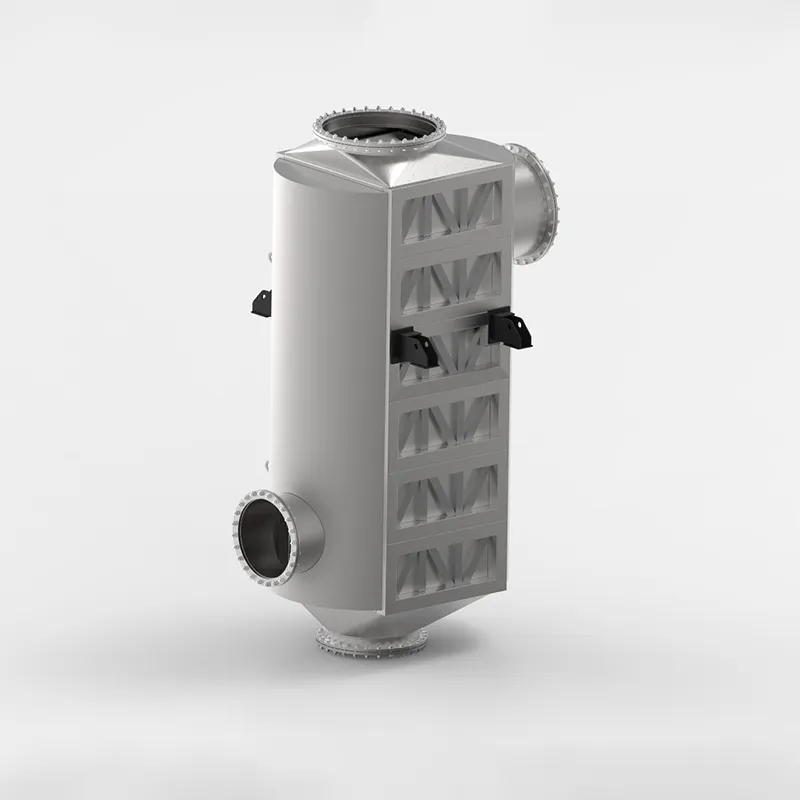
Begin by assessing your heat source and sink conditions. For geothermal projects, consider custom-engineered plate air preheaters if you need to preheat combustion air for hybrid systems. For solar thermal, focus on fluid compatibility and temperature ranges.
Work with experienced suppliers who can provide performance guarantees and field support. Remember, the right heat extraction strategy not only boosts efficiency but also ensures your renewable project stands the test of time.

 English EN