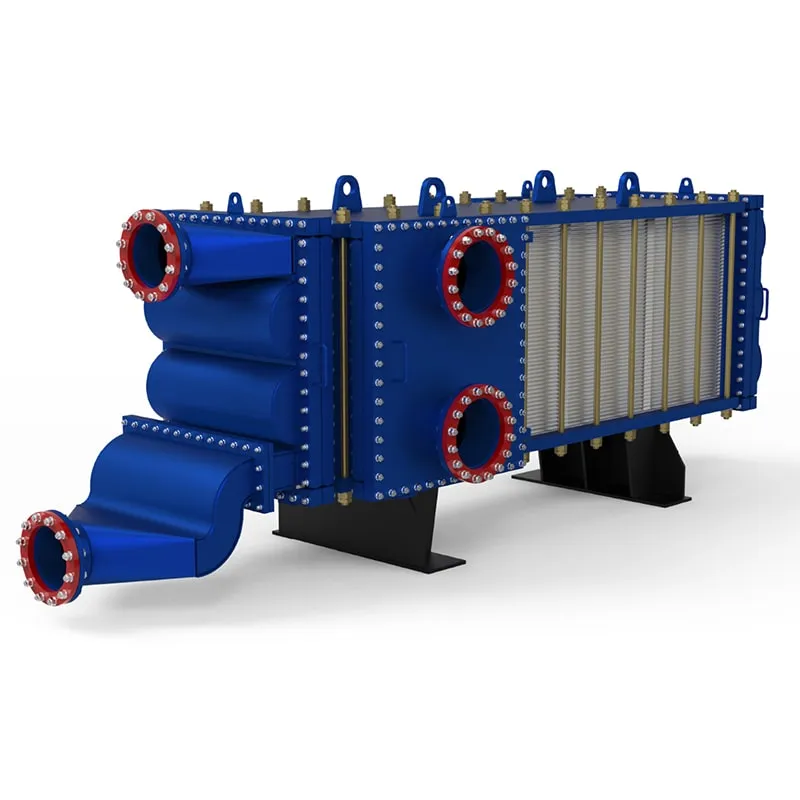
Glycol Plate Heat Exchanger: Top Efficiency Guide for Optimal Cooling
When it comes to industrial cooling and heating processes, the glycol plate heat exchanger stands out as a reliable workhorse. This guide walks you through how these units function, where they shine, and what to look for when selecting one. Whether you're managing a brewery, a chemical plant, or an HVAC system, understanding the efficiency factors and maintenance needs of a glycol plate heat exchanger will help you get the most out of your investment.
What Is a Glycol Plate Heat Exchanger?
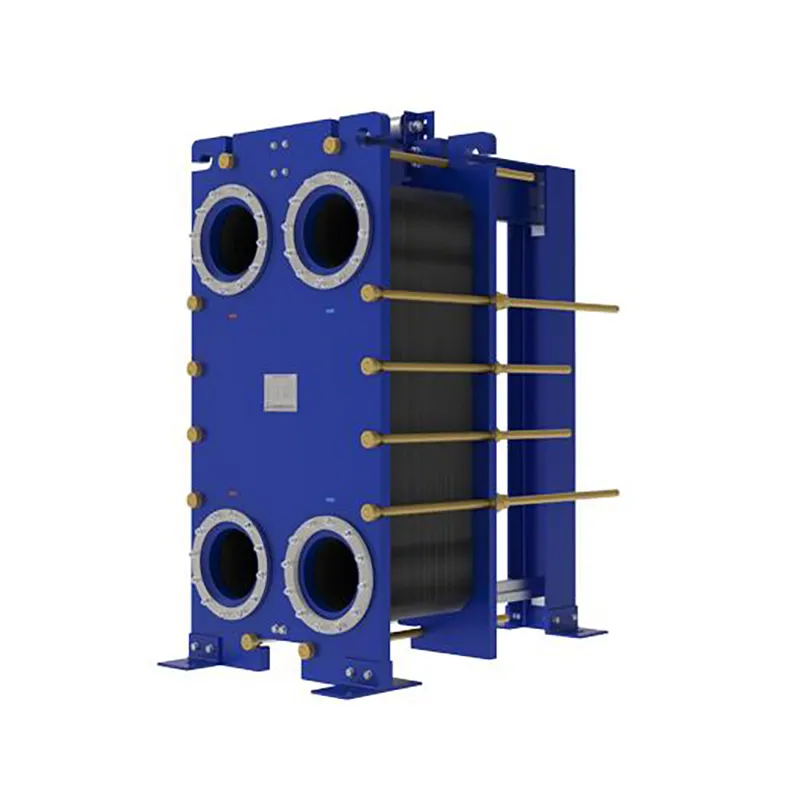
A glycol plate heat exchanger is a compact thermal transfer device that uses a mixture of glycol and water to transfer heat between two fluid streams. The plates create a large surface area within a small footprint, allowing for efficient heat exchange without mixing the two fluids. The glycol mixture acts as a coolant or heating medium, depending on the application, and its low freezing point makes it ideal for environments where temperatures drop below 32°F (0°C).
These exchangers are built with corrugated stainless steel plates stacked together, with gaskets or welded seams directing the flow. The design promotes turbulent flow, which significantly improves heat transfer rates compared to smooth surfaces. In practice, this means you get more cooling or heating capacity from a smaller unit, saving both floor space and energy.
How Does It Work?
The working principle is straightforward. Two fluids—typically a glycol-water solution on one side and process water or another coolant on the other—enter the exchanger through separate ports. They flow through alternating channels between the plates, transferring heat through the thin metal walls. The counter-current flow arrangement, where fluids move in opposite directions, maximizes the temperature gradient and improves efficiency.
For cooling applications, the glycol mixture absorbs heat from the process fluid and carries it away to a chiller or cooling tower. In heating scenarios, the glycol delivers heat to the process stream. The ability to precisely control flow rates and temperatures makes these units highly adaptable to varying load conditions.
Key Efficiency Factors to Consider
Efficiency in a glycol plate heat exchanger depends on several variables. Getting these right ensures you're not wasting energy or oversizing your equipment.
- Plate count and surface area: More plates mean more surface area, which translates to higher heat transfer capacity. However, adding plates also increases pressure drop, so there's a balance to strike.
- Flow arrangement: Counter-current flow is the most efficient configuration, providing a closer approach temperature between the two fluids.
- Glycol concentration: A higher glycol percentage lowers the freezing point but also reduces heat transfer efficiency. Typically, a 30-40% glycol solution works well for most cooling applications, but your specific climate and process requirements will dictate the right mix.
- Plate material and thickness: Stainless steel (316L) is common for its corrosion resistance and thermal conductivity. Thinner plates transfer heat faster but may not withstand high pressures as well.
- Fouling resistance: Over time, deposits can build up on plate surfaces, reducing efficiency. Regular cleaning and proper water treatment are essential to maintain performance.
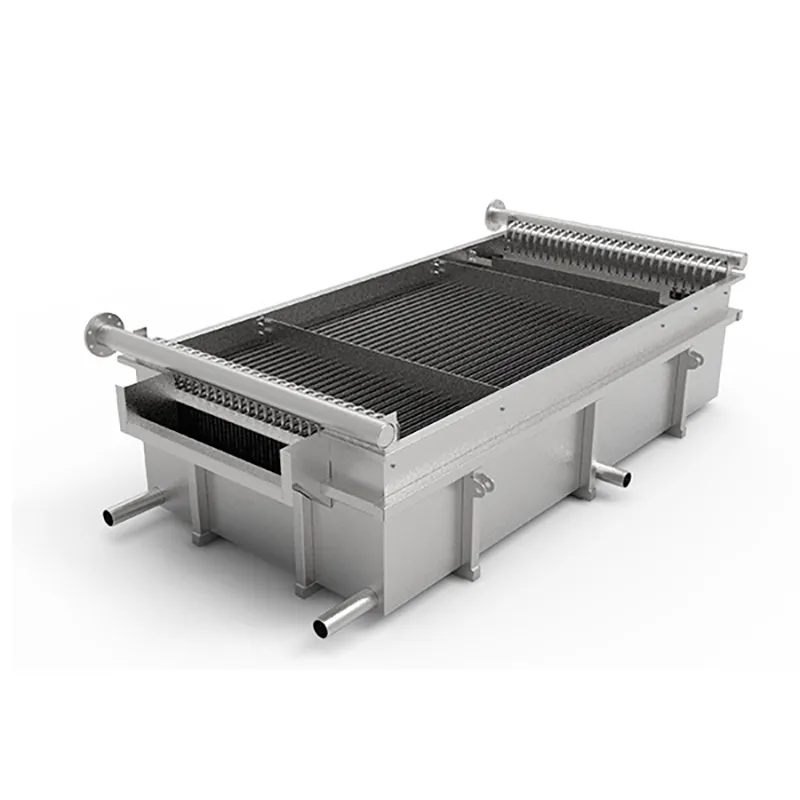
For applications requiring extreme temperature control or specialized fluids, you might explore custom engineered plate air preheaters or wide gap welded plate heat exchangers which handle particulates and viscous fluids more effectively.
Common Applications for Glycol Plate Heat Exchangers
You'll find these units in a wide range of industries because they handle both heating and cooling duties with ease.
- Breweries and wineries: Glycol is used to chill fermentation tanks precisely, ensuring consistent product quality.
- HVAC systems: They isolate boiler or chiller loops from building loops, protecting equipment and improving efficiency.
- Chemical processing: Temperature-sensitive reactions benefit from the precise control these exchangers offer.
- Food and beverage: Pasteurization and cooling processes rely on hygienic, easy-to-clean plate exchangers.
- Renewable energy: Solar thermal systems and geothermal loops often use glycol mixtures to prevent freezing in outdoor piping.
Selecting the Right Unit for Your Needs
Choosing the correct glycol plate heat exchanger involves more than just matching flow rates. You need to consider the following:
- Heat load (kW or BTU/hr): Calculate the amount of heat that must be transferred to maintain your process temperature.
- Flow rates: Know the volume of both the glycol mixture and the process fluid, measured in gallons per minute (GPM) or liters per second.
- Inlet and outlet temperatures: The desired temperature change on each side determines the required surface area.
- Pressure drop limitations: Your existing pumps must be able to overcome the resistance of the exchanger.
- Material compatibility: Ensure the plate material and gaskets are compatible with your fluids to avoid corrosion or degradation.
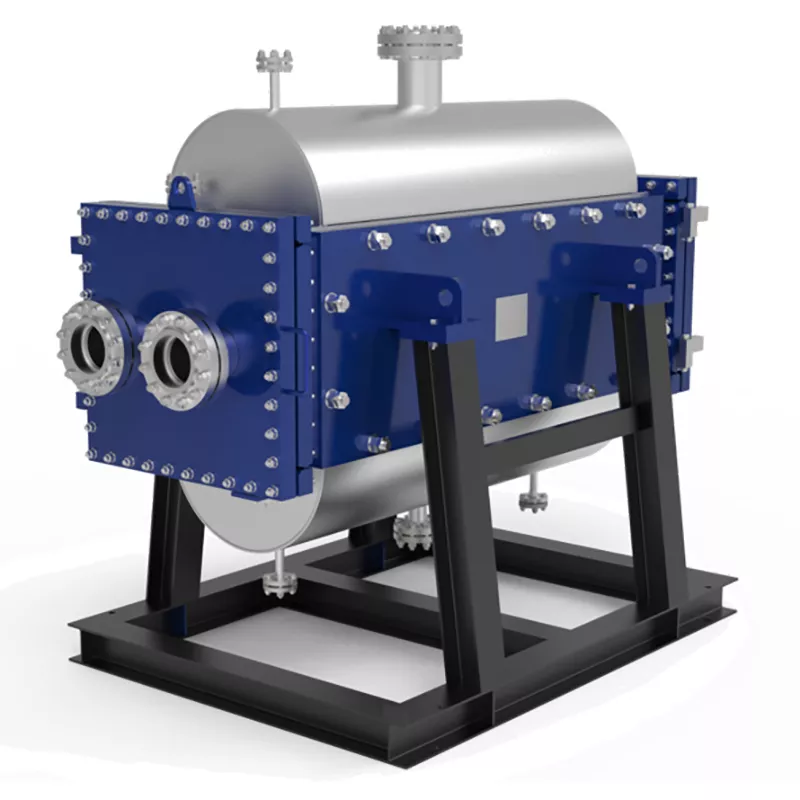
If you're dealing with high pressures or aggressive chemicals, a TP welded plate heat exchanger might be a better fit than a gasketed model. For applications with limited space, custom engineered pillow plates offer a unique geometry that can fit into tight spots.
Maintenance Tips to Prolong Lifespan
A well-maintained glycol plate heat exchanger can last 20 years or more. Here's what you should do to keep yours running at peak efficiency:
- Monitor pressure differentials: A sudden increase in pressure drop across the unit indicates fouling or blockage.
- Inspect gaskets regularly: Worn or damaged gaskets cause leaks and reduce efficiency. Replace them as part of routine maintenance.
- Clean plates periodically: Depending on your water quality, cleaning every 6 to 12 months is typical. Use appropriate cleaning agents that won't damage the plates.
- Check glycol concentration: Test the mixture annually to ensure it still provides the necessary freeze protection and corrosion inhibition.
- Keep spare plates on hand: If a plate gets damaged, you can replace it without replacing the entire unit.
For industries that require absolute reliability and minimal downtime, exploring HT Bloc welded plate heat exchangers or gasketed plate heat exchangers can provide options that balance serviceability with performance.
Common Mistakes to Avoid
Even experienced engineers can make errors when sizing or operating these units. Here are a few pitfalls to watch out for:
- Oversizing the unit: A larger exchanger than necessary costs more upfront and may not operate efficiently at partial loads.
- Ignoring glycol viscosity changes: As temperature drops, glycol becomes thicker, which increases pressure drop and reduces flow. Factor this into your pump sizing.
- Using the wrong glycol type: Ethylene glycol and propylene glycol have different properties. Propylene glycol is food-safe but less efficient thermally. Choose based on your application.
- Neglecting to account for future expansion: If you plan to increase production, consider a unit that can be easily extended by adding more plates.
Real-World Performance Data
To give you a sense of what to expect, here are some typical performance figures for a mid-sized glycol plate heat exchanger used in a brewery chilling application:
- Heat transfer coefficient: 4,000 to 7,000 W/m²·K, depending on flow rates and plate geometry.
- Approach temperature: As low as 1°C (1.8°F) with counter-current flow, meaning the glycol can chill the process fluid very close to its own inlet temperature.
- Pressure drop: Typically 20 to 80 kPa (3 to 12 psi) across the unit, depending on flow rate and plate count.
- Glycol concentration: A 35% propylene glycol solution provides freeze protection down to approximately -18°C (0°F) while maintaining reasonable heat transfer efficiency.
These numbers will vary based on your specific conditions, but they offer a baseline for what's achievable with a well-designed system.
Final Thoughts on Glycol Plate Heat Exchangers
A glycol plate heat exchanger is a smart investment for any facility that needs reliable, efficient temperature control. By understanding the factors that affect performance—plate count, flow arrangement, glycol concentration, and maintenance practices—you can ensure your system runs smoothly for years. Take the time to properly size your unit, choose the right materials, and stick to a regular maintenance schedule. The payoff is lower energy costs, less downtime, and consistent product quality.
If you're evaluating options for a new installation or upgrading an existing one, consider reaching out to manufacturers who specialize in custom engineered printed circuit heat exchangers for high-pressure or high-temperature applications. These units offer a different approach that might suit your specific needs better than traditional plate designs.

 English EN