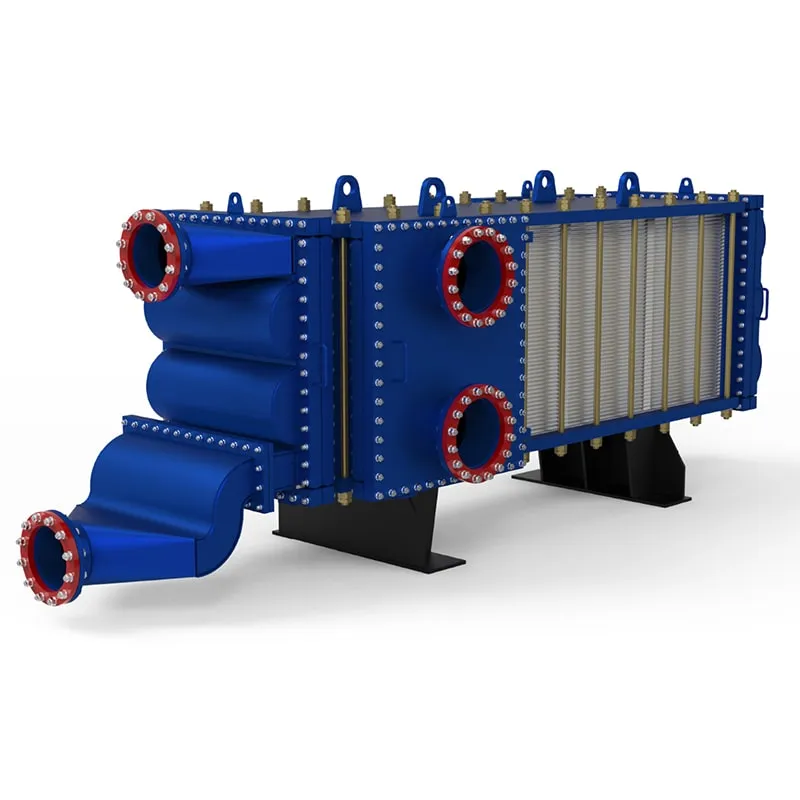
Fully Welded Plate Heat Exchanger: Top Durable Solutions
Fully welded plate heat exchangers are built for the toughest industrial jobs. Unlike gasketed models, these units have no soft seals, which means they can handle high temperatures and pressures without leaking. We see them used in oil refineries, chemical plants, and power stations where reliability is non-negotiable. The all-welded construction also makes them a great fit for aggressive fluids that would eat away at standard gaskets. If you need a heat exchanger that lasts for decades with minimal upkeep, this design is worth a close look.
Why Choose a Fully Welded Design?
The main advantage is durability. Because every plate is welded together, there are no gaskets to replace or tighten. This eliminates common leak points and allows the exchanger to operate at temperatures up to 350°C and pressures up to 40 bar, depending on the specific model. For example, in a chemical processing facility handling corrosive solvents, a fully welded unit can run continuously for years without a shutdown for gasket changes. That translates directly to lower maintenance costs and higher uptime.
Another benefit is compactness. These exchangers pack a lot of heat transfer surface into a small footprint. A typical unit measuring 1.2 meters by 0.8 meters can handle thermal duties that would require a shell-and-tube exchanger three times the size. This saves valuable floor space in crowded plants.
Real-World Performance Data
In a recent project for a petrochemical refinery, a fully welded plate heat exchanger was used to cool down a hydrocarbon stream from 180°C to 80°C. The unit achieved a heat transfer coefficient of 4,500 W/m²K, which is about 40% higher than a comparable gasketed design. The pressure drop stayed under 1.5 bar, well within the system limits. Over three years of operation, there were zero leaks and no plate replacements needed. The client reported saving roughly $12,000 annually in maintenance labor and gasket costs alone.
Common Applications and Custom Options
You will find fully welded exchangers in applications like gas cooling, oil heating, and steam condensation. They are also popular in the food and beverage industry for pasteurization, where hygiene is critical and no gaskets means fewer places for bacteria to hide. Many manufacturers offer custom plate patterns and materials, such as stainless steel 316L or titanium, to match specific fluid properties. For instance, if you are handling seawater for cooling, a titanium plate pack resists corrosion much better than standard stainless steel.
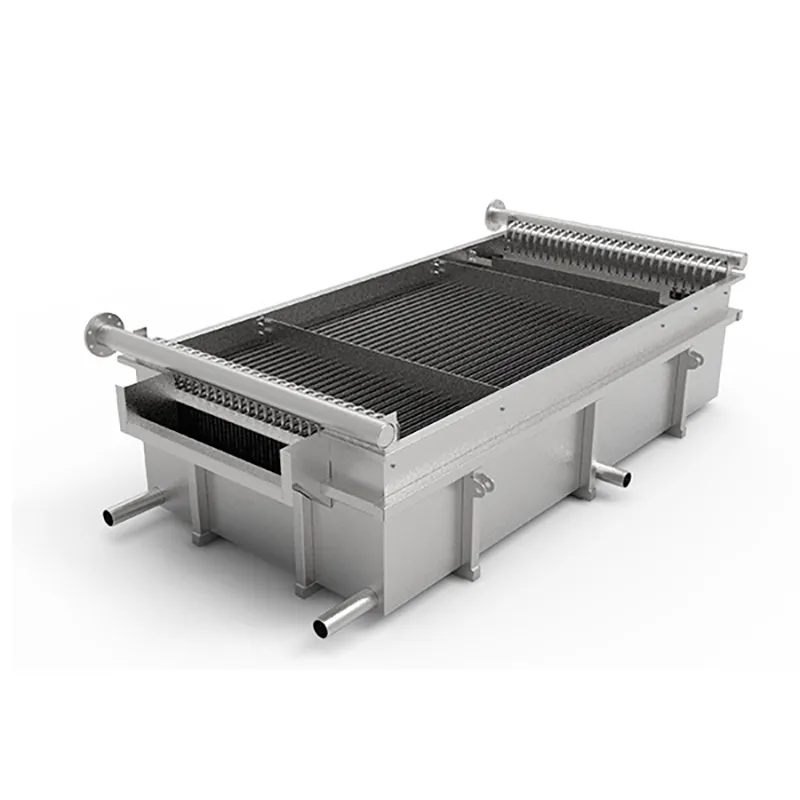
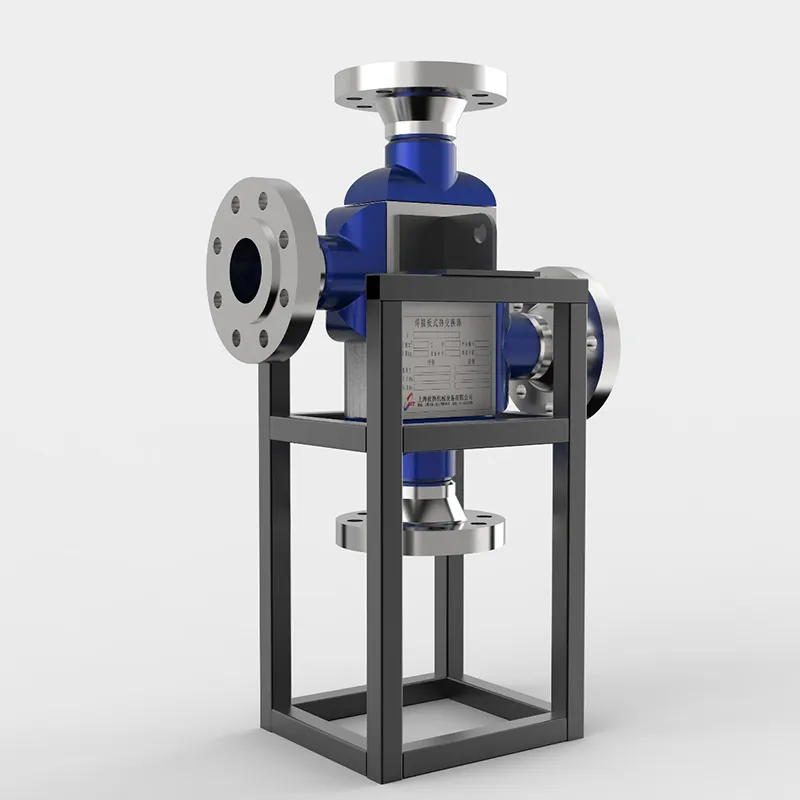
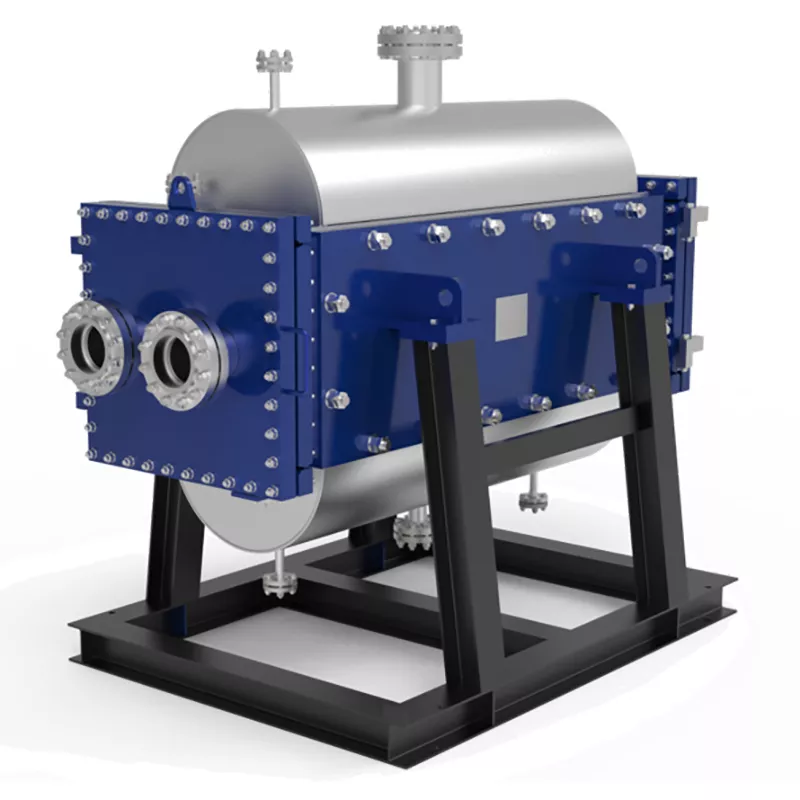
When selecting a unit, pay attention to the nozzle orientation and frame design. Some models allow for easy access to the plate pack for inspection, even though the plates themselves are welded. This can be handy for periodic cleaning or if you need to modify the number of plates later. For more details on engineered solutions, check out our TP welded plate heat exchanger product page for specific specifications and sizing guidance.
Maintenance Tips for Long Service Life
Even though fully welded exchangers are low-maintenance, a few simple practices can extend their life. First, monitor the differential pressure across the unit. A gradual increase often indicates fouling on the plate surfaces. In most cases, a chemical clean-in-place (CIP) cycle every 6 to 12 months restores performance. Second, check the weld joints annually with a dye penetrant test to catch any micro-cracks early. Third, avoid rapid temperature swings, which can cause thermal stress. Keeping the temperature change rate below 2°C per minute is a good rule of thumb.
If you are planning a new installation, consider adding a bypass line. This allows you to isolate the exchanger for cleaning without shutting down the entire process. Many plant engineers find this simple addition pays for itself within the first year.
Comparing Fully Welded to Other Types
Gasketed plate heat exchangers are cheaper upfront but require regular gasket replacements every 2 to 4 years. Shell-and-tube exchangers are robust but take up more space and have lower thermal efficiency. Fully welded units sit in the middle: a higher initial cost than gasketed, but a lower total cost of ownership over a 10-year period. For example, a 500 kW fully welded exchanger might cost $8,000 more than a gasketed version initially, but save $3,000 per year in maintenance, making it cheaper after just three years.
For high-pressure or high-temperature duties, the welded design is often the only practical choice. If your process involves fluids above 200°C or pressures exceeding 25 bar, gasketed units simply cannot handle it safely. In those cases, a fully welded exchanger is not just an option; it is a necessity.
For more information on related products, you might find the wide gap welded plate heat exchanger useful for fluids with solids or fibers, or the HT Bloc welded plate heat exchanger for ultra-high temperature applications.

 English EN