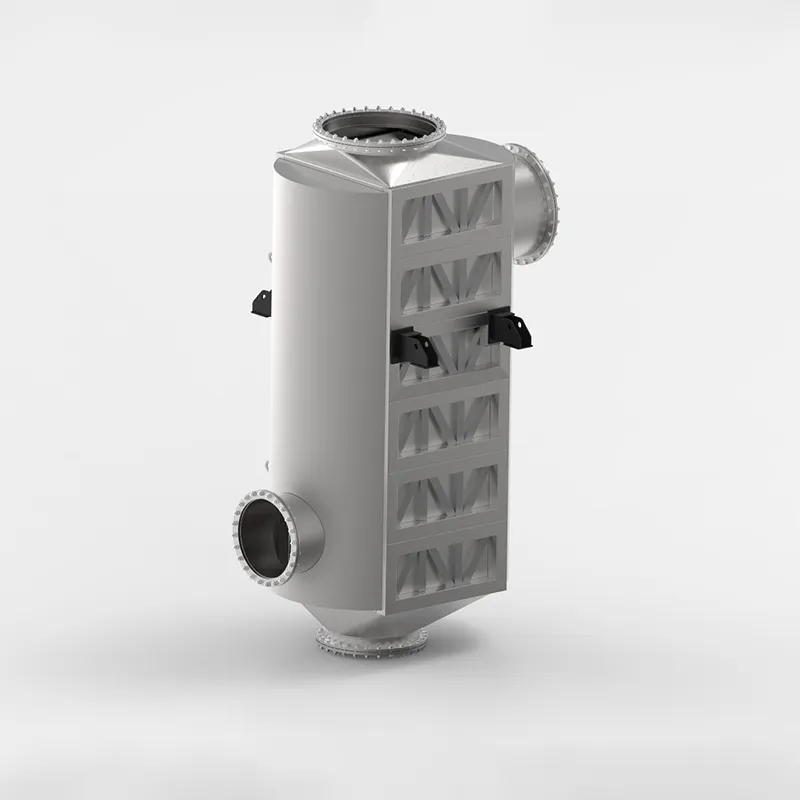
Best PCHE Guide: Benefits, Uses & Top Tips

Printed Circuit Heat Exchangers (PCHEs) are a game-changer in thermal management, offering unmatched efficiency in a compact footprint. This guide walks you through their real-world benefits, key industrial applications, and practical tips for selecting the right unit for your project.
PCHE heat exchanger core detail

What Makes PCHE Stand Out

Unlike traditional shell-and-tube or gasketed plate exchangers, PCHEs use chemically etched flow channels bonded together through diffusion welding. This creates a solid, all-metal core that handles extreme pressures up to 600 bar and temperatures from -200°C to 900°C. The compact design delivers heat transfer coefficients three to five times higher than conventional units, meaning you get more duty from a much smaller package.

Key Benefits You Can Rely On

Where PCHEs Deliver Real Value

These exchangers are the go-to choice for demanding industries. In the oil and gas sector, they handle high-pressure gas processing and subsea cooling. Chemical plants use them for precise temperature control in reactor feeds and distillation columns. They are also widely adopted in concentrated solar power plants, where their ability to withstand thermal cycling and high temperatures improves overall plant efficiency.

PCHE industrial installation

Top Tips for Choosing the Right PCHE

Practical Considerations for Installation

When integrating a PCHE into your system, pay attention to piping loads and thermal expansion. The rigid core does not absorb misalignment like a shell-and-tube unit, so flexible connections or expansion joints are often recommended. Also, ensure adequate support for the exchanger weight, especially in vertical installations. For more detailed guidance on custom-engineered solutions, explore the pillow plate heat exchanger options or wide gap welded plate heat exchangers for applications with higher fouling tendencies.

Maintenance and Longevity

One of the biggest advantages of PCHEs is their low maintenance. Because there are no gaskets or brazed joints, the primary failure modes of traditional exchangers are eliminated. Periodic cleaning depends on the fluid quality; for clean gases and liquids, the unit can run for decades without intervention. If cleaning is needed, chemical circulation through the channels is the standard method. Always follow the manufacturer's guidelines for cleaning agents to avoid damaging the etched surfaces.

Choosing a PCHE is a long-term investment in efficiency and reliability. By understanding your process conditions and working with a knowledgeable partner, you can unlock significant operational savings and reduce your equipment footprint. For further reading on related technologies, check out the HT Bloc welded plate heat exchanger or the TP welded plate heat exchanger for alternative high-performance designs.

Related Products

We provide you with comprehensive foreign trade solutions to help enterprises achieve global development

Custom-Engineered Printed Circuit Heat Exchanger (PCHE)

The SHPHE Printed Circuit Heat Exchanger (PCHE) represents a paradigm shift in microchannel thermal management, meticulously engineered for the world's most critical and demanding industrial boundaries. Developed to surpass the physical limitations of conventional shell-and-tube designs in ultra-high-pressure environments, our custom PCHEs integrate advanced photochemical etching and solid-state diffusion bonding to provide unmatched safety, thermal efficiency, and integrity under extreme stress. Initially deployed within high-consequence sectors such as aerospace and nuclear power generation, PCHE technology has completely revolutionized high-density thermal processing. Today, SHPHE brings this breakthrough engineering to mainstream energy transitions—including LNG liquefaction, supercritical CO² power cycles, hydrocarbon processing, and high-pressure hydrogen systems—enabling plants to maximize energy recovery, ensure zero-leakage security, and significantly shrink environmental footprints.

Heat Exchangers

Custom-Engineered Pillow Plates & Laser-Welded Jackets

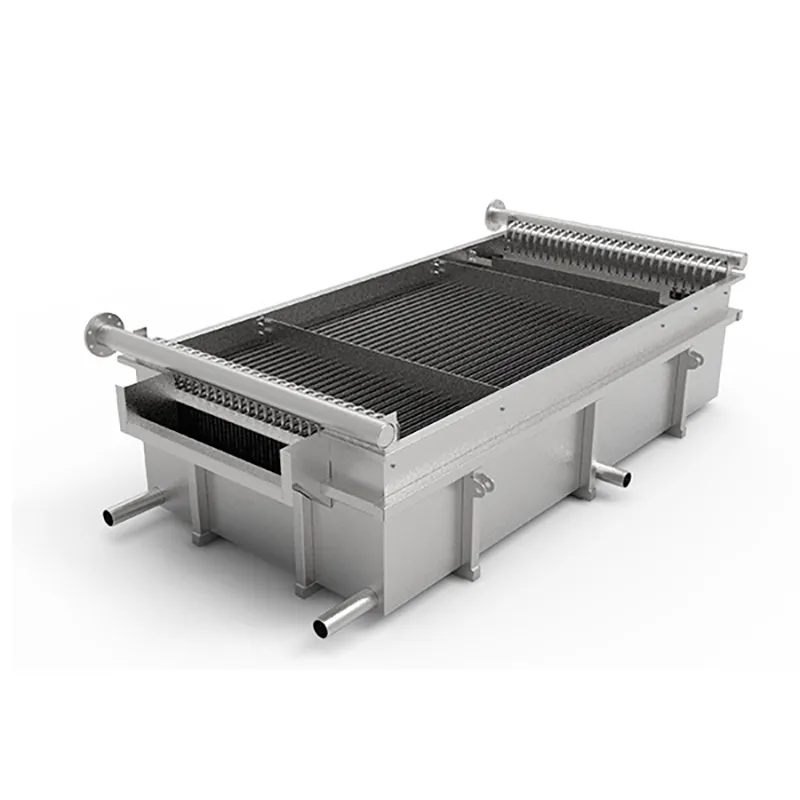
Originated in the mid-20th century to bypass the manufacturing bottlenecks and weight limitations of standard jacketed thermal components, the Pillow Plate (also known as a dimple plate or embossed plate) has revolutionized precision fluid-wall engineering. At SHPHE, we take this highly flexible technology and elevate it into a core foundation for bespoke industrial heat transfer integration. By utilizing state-of-the-art automated CNC fiber laser welding, our engineers customize the mechanical inflation profiles and spot pitch grids to directly match your specific fluid dynamics, pressure limits, and vessel configurations. Today, SHPHE's custom pillow plates are indispensable assets for worldwide processing plants prioritizing advanced thermal performance, zero-leak safety, and hygienic processing—serving as the definitive solution across food, pharmaceutical, chemical, and bulk solids cooling sectors.

Heat Exchangers

Wide Gap Welded Plate Heat Exchanger for Viscous Fluids

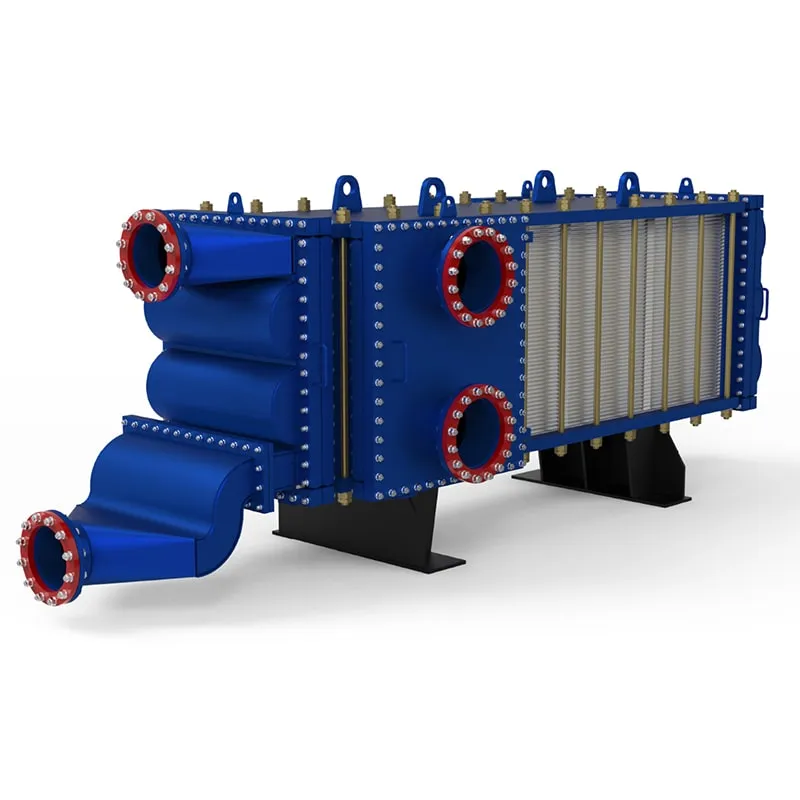
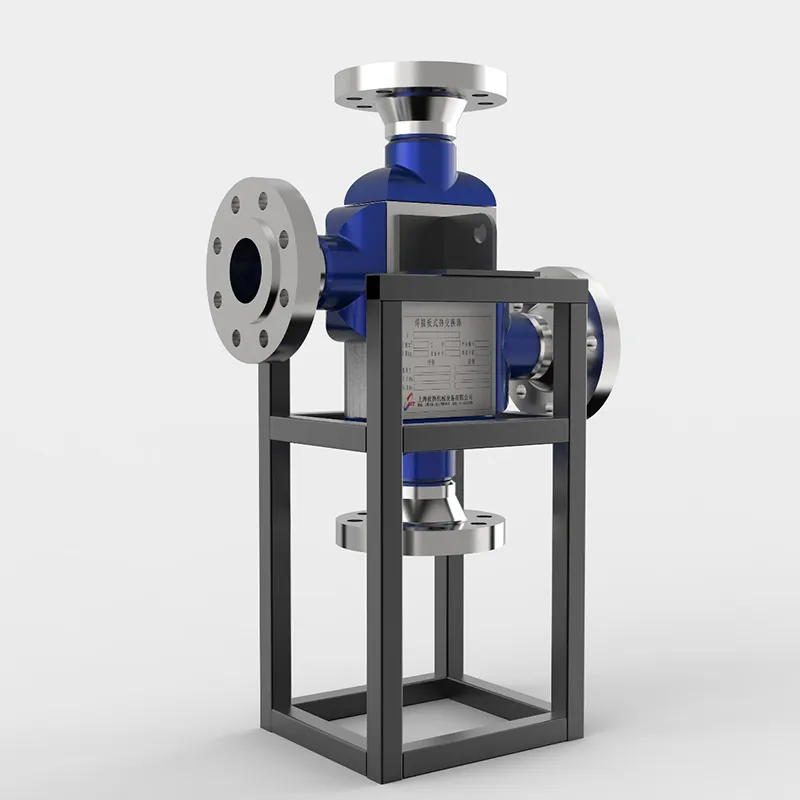
Custom-Engineered Anti-Clogging Solutions for High-Viscosity Slurries: Deployed specifically to conquer severe industrial fouling, SHPHE wide gap welded plate heat exchangers are tailor-built to handle complex media containing dense fibers, coarse crystals, or solid suspensions without clogging. Each non-obstructed channel is calculated and formed by laser-welded plate packs matching your fluid’s exact rheology and grain size, completely eliminating structural "dead zones" and media stagnation. Available in highly compact vertical and versatile horizontal configurations, our vertical engineering drastically reduces plant footprints while maintaining unhindered product throughput, minimal pressure drops, and flawless continuous operations across harsh process loops.

Heat Exchangers

Custom-Engineered Gasketed Plate Heat Exchangers

Since the invention of the plate heat exchanger (PHE) in 1923, thermal technology has evolved from standard food-grade processing to highly complex industrial operations. At SHPHE, we take this classic, versatile design and transform it into highly bespoke heat transfer solutions tailored to your unique process fluids and thermal loads. While traditional gasketed PHEs offer high efficiency and compact footprints, SHPHE optimizes plate corrugations, metallurgy, and sealing systems to handle your specific chemical, HVAC, or energy recovery parameters. Our custom-engineered gasketed plate heat exchangers provide outstanding scalability and ease of maintenance, serving as an indispensable asset for heavy industries—including oil and gas, metallurgy, and food processing—where uptime, energy recovery, and long-term sustainability are top priorities.

Heat Exchangers
SHPHE has complete quality assurance system from design, manufacturing, inspection and delivery. It is certified with ISO9001, ISO14001, OHSAS18001 and hold ASME U Certificate.
© 2005-2026 Shanghai Heat Transfer - Privacy Policy