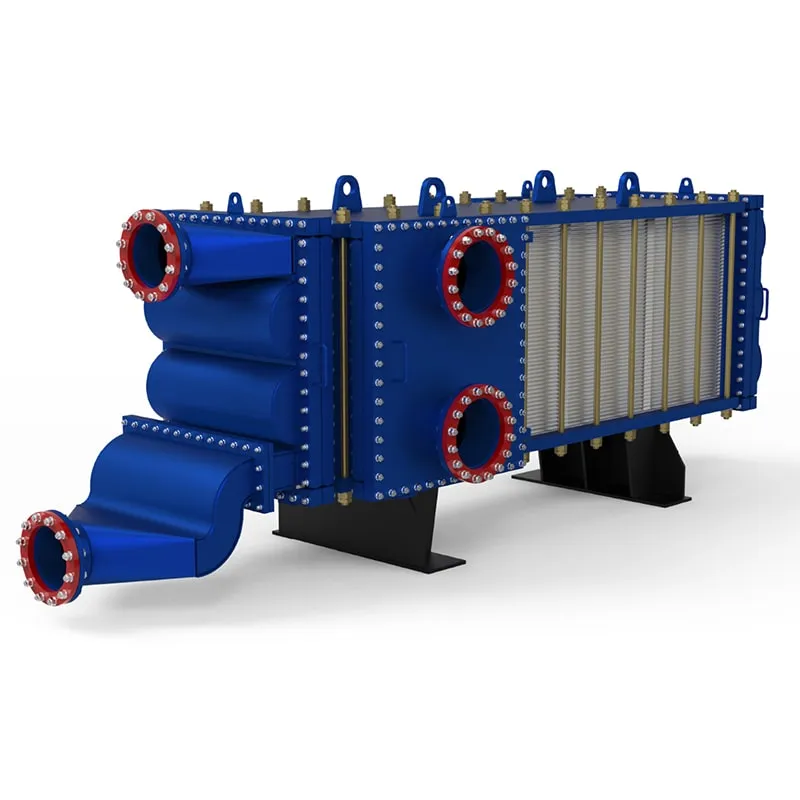
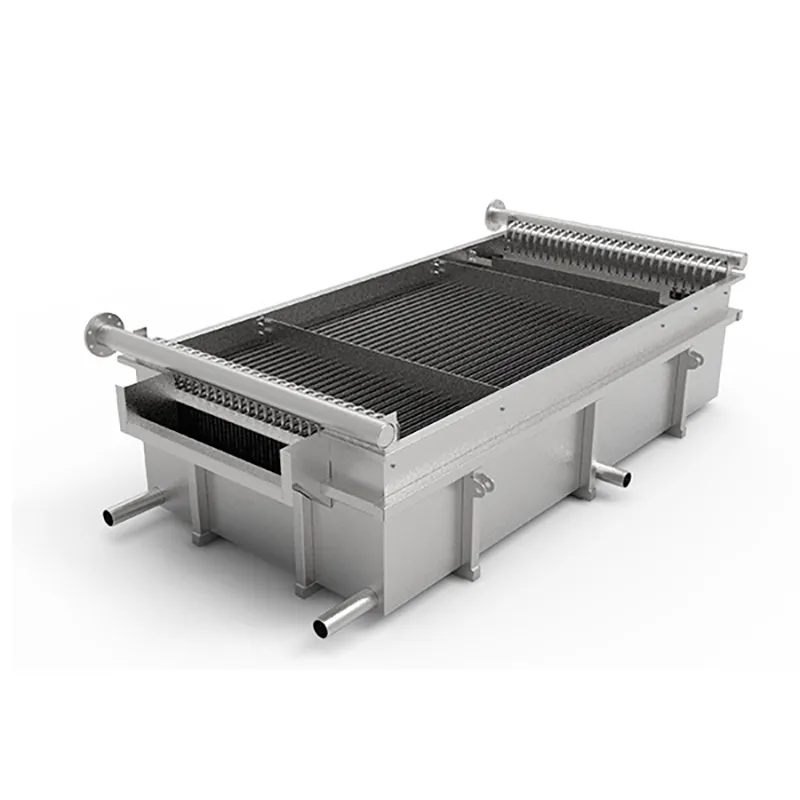
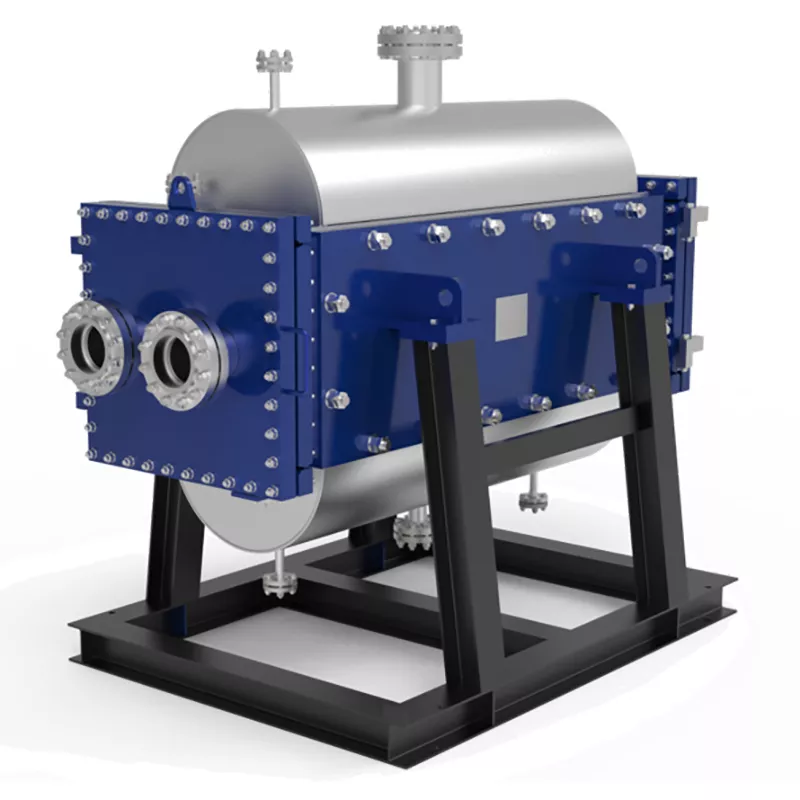
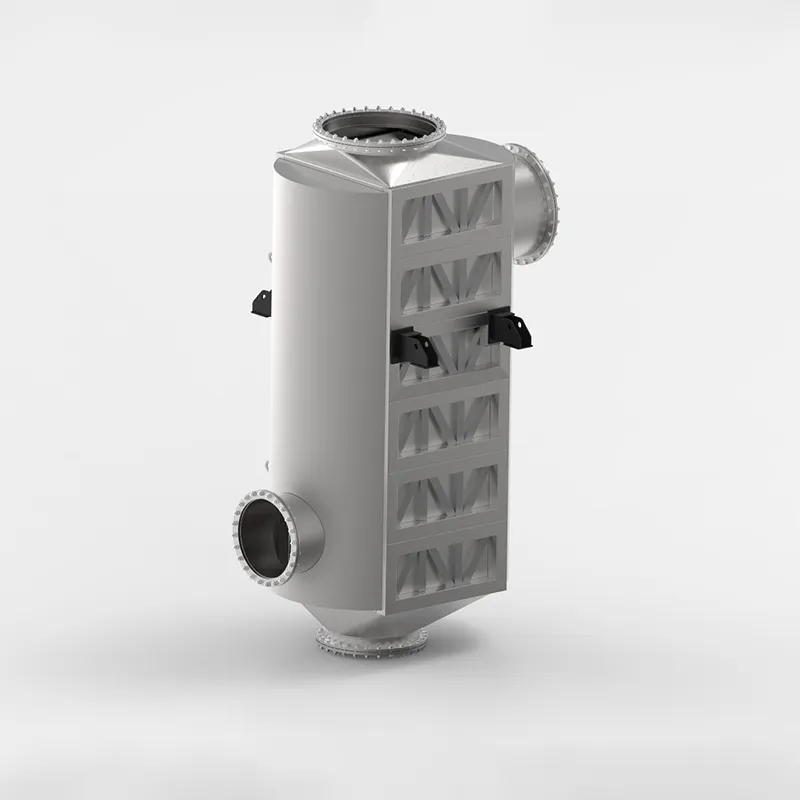
This article explores the design, working principles, and real-world benefits of the falling film plate evaporator. Built for industries requiring gentle and efficient concentration of heat-sensitive liquids, this equipment offers low residence time, high heat transfer coefficients, and reduced fouling. We break down how it operates, where it fits best, and what performance data you can expect.
In many chemical, food, and pharmaceutical processes, evaporating a liquid without damaging its quality is a daily challenge. The falling film plate evaporator addresses this by spreading a thin, uniform film of liquid over vertical heat transfer plates. As the film flows downward under gravity, it absorbs heat from the plates and evaporates gently. This design keeps the product in contact with the heating surface for only a few seconds, which is critical for heat-sensitive materials like fruit juices, dairy concentrates, and enzyme solutions.
One of the key advantages of this evaporator is its high heat transfer coefficient, typically ranging from 1500 to 3000 W/m²·K depending on the viscosity and flow rate of the liquid. Compared to traditional tubular falling film units, the plate design offers more compact geometry and easier access for cleaning. The plates can be opened for inspection without cutting into pipes, which reduces downtime significantly. In a recent installation at a dairy processing plant, the unit achieved a 12% reduction in energy consumption per ton of water evaporated, while maintaining product flavor integrity.
The evaporator operates under vacuum or low-pressure conditions, which lowers the boiling point of the liquid and further protects sensitive compounds. Typical operating temperatures range from 40°C to 90°C, depending on the product. The residence time is usually between 5 and 15 seconds, which is far shorter than in forced circulation or rising film evaporators. This short exposure to heat minimizes thermal degradation, making it ideal for concentrating proteins, vitamins, and aromatic compounds.
From a maintenance perspective, the plate design reduces fouling buildup because the turbulent flow pattern at the liquid film interface helps scrub the surface. When cleaning is needed, the plates can be accessed individually, and a standard CIP (clean-in-place) cycle typically takes 60 to 90 minutes. Many operators report that the plate evaporator requires less frequent chemical cleaning compared to shell-and-tube units, with intervals extending from 8 hours to over 24 hours of continuous operation.
For those looking to integrate this technology into an existing line, the falling film plate evaporator can be configured in single-effect or multi-effect arrangements. Multi-effect systems reuse vapor from one effect to heat the next, which can cut steam consumption by up to 50% compared to a single-effect setup. A typical two-effect system with a thermal vapor recompressor (TVR) can achieve a steam economy of 1.8 to 2.2 kg of water evaporated per kg of steam. These figures are based on field data from installations in the starch and sugar industries.
To learn more about how plate heat exchangers and evaporators can be tailored to your specific process conditions, visit our gasketed plate heat exchanger product page for additional technical specifications and application examples.
In summary, the high-efficiency falling film plate evaporator delivers reliable performance for demanding concentration tasks. Its compact footprint, gentle thermal profile, and energy-saving potential make it a practical choice for modern industrial operations. Whether you are processing dairy, beverages, chemicals, or pharmaceuticals, this equipment offers a balance of efficiency and product quality that is hard to match with older technologies.

 English EN