

Crude preheat and rich-lean amine duty put heat exchangers under pressure, temperature cycling, and corrosive fluids. This article explains how the HT-Bloc welded plate heat exchanger uses a gasket-free welded plate pack to deliver high heat transfer efficiency with design pressures up to 4.0 MPa and temperatures from -50°C to 400°C. It covers material selection for crude and amine service, fouling management, modular scalability, space savings, and the specification parameters that matter when specifying a unit for refinery duty.
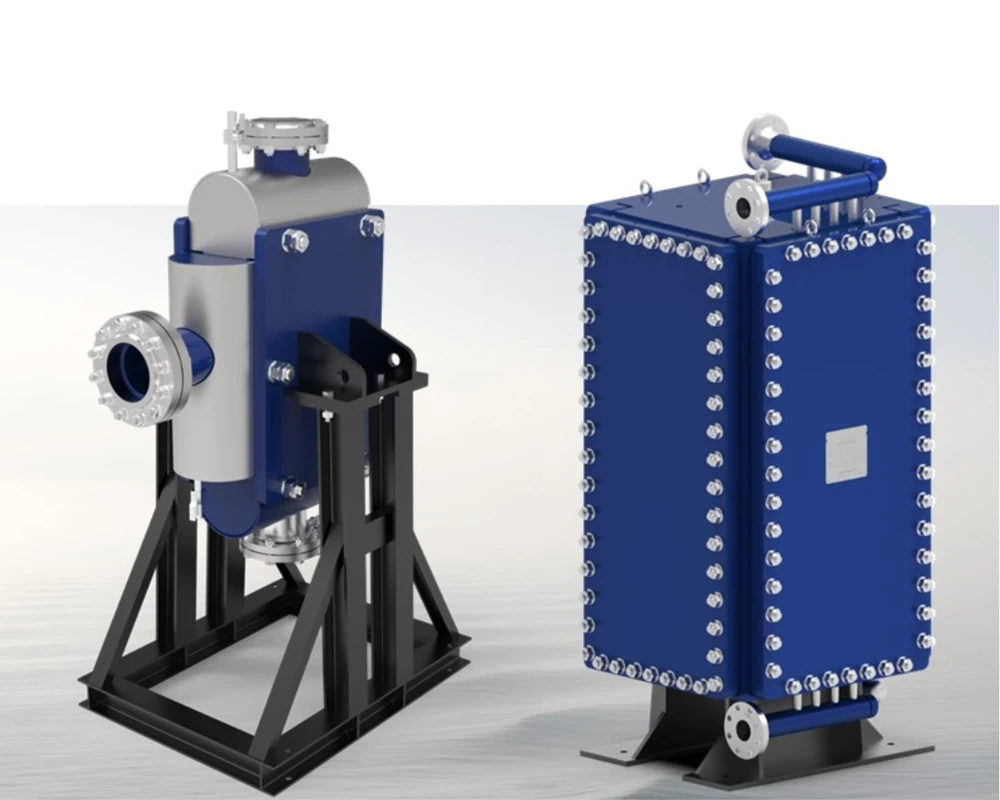
Plate heat exchangers for food and dairy: pasteurization with heat regeneration, hygienic cleanable surfaces, CIP, and applications from milk sterilization to juice processing. From SHPHE.
Custom-engineered Printed Circuit Heat Exchangers use diffusion-bonded microchannel technology to deliver compact, leak-proof thermal management under extreme pressure and temperature. This article covers how PCHEs work, where they perform best in LNG, supercritical CO2, and hydrogen systems, and key design parameters including 1000 bar pressure rating and 98% thermal effectiveness.
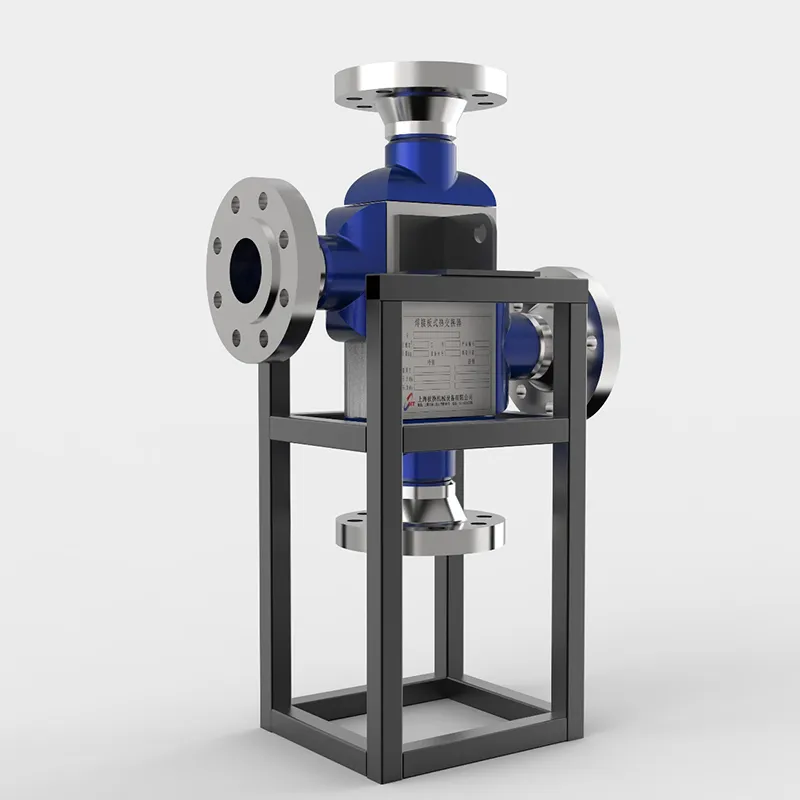
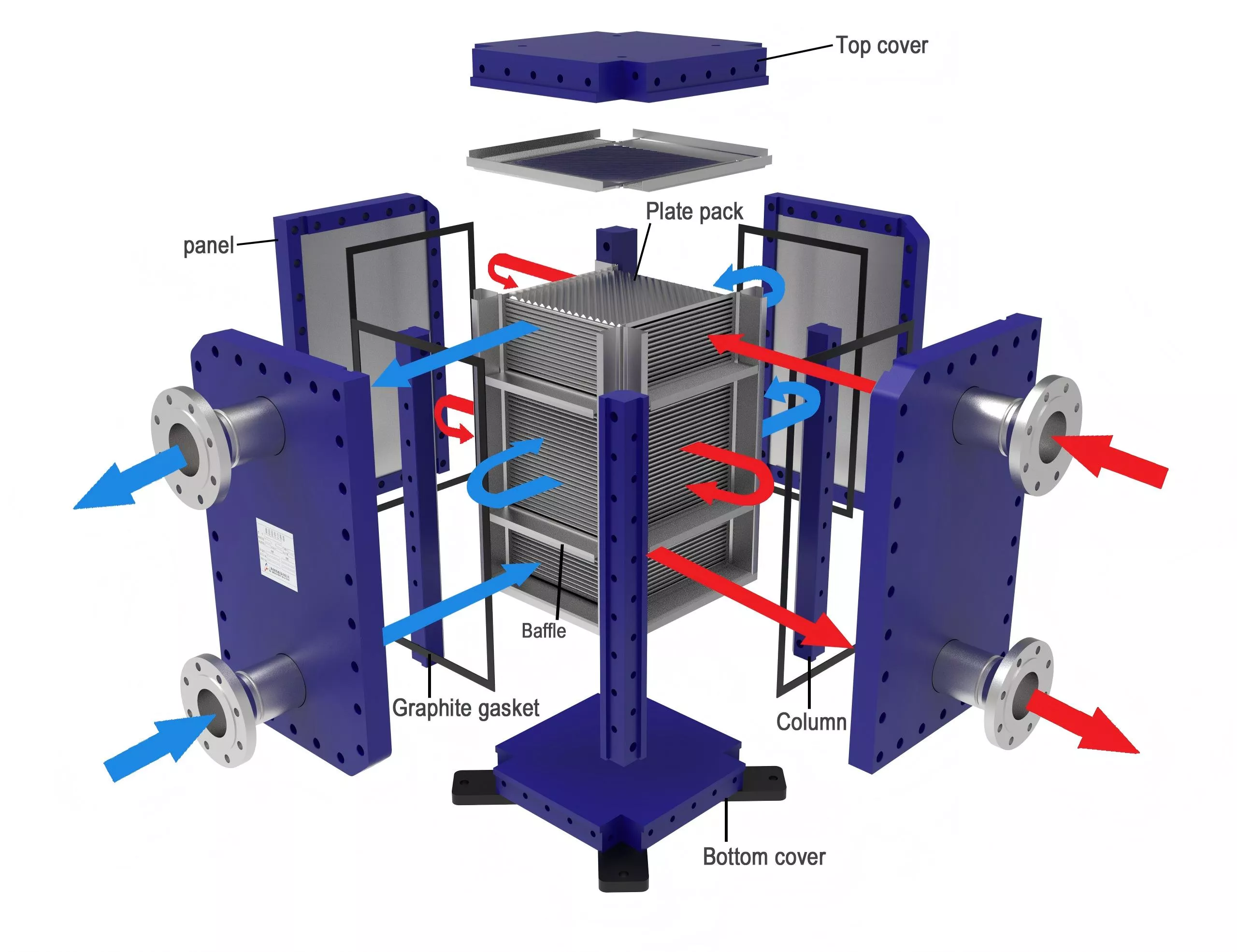
This article explains the working principle of plate heat exchangers, focusing on the welded plate design. It covers key benefits such as handling high temperatures, pressures, and fouling media, along with material selection and custom engineering considerations for industrial use.
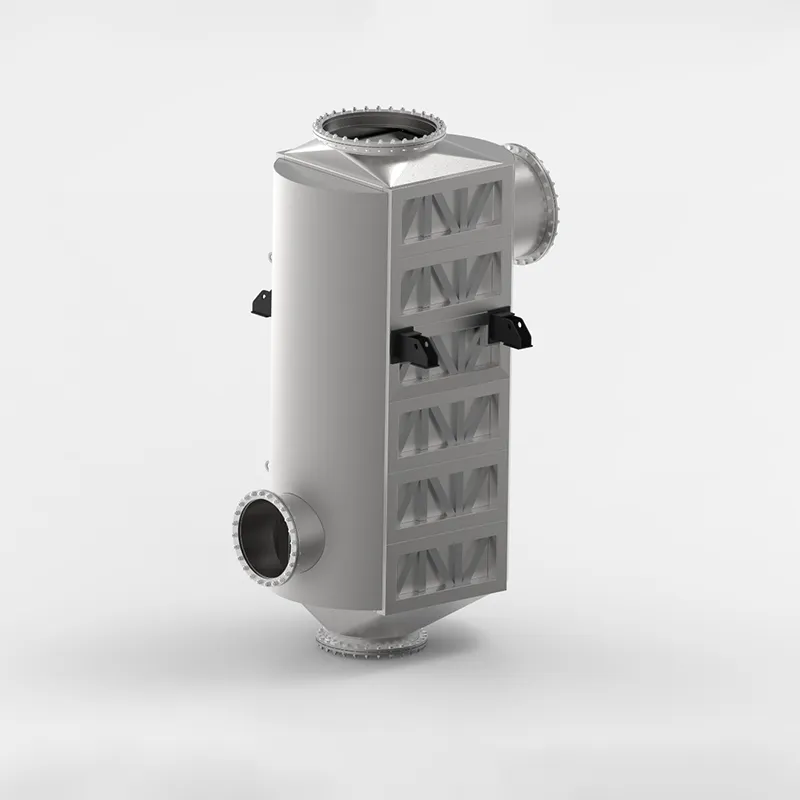
A practical guide to plate type air preheaters: how they recover waste heat from boiler exhaust, improve thermal efficiency, reduce fuel consumption, and lower emissions. Covers working principles, material selection for corrosive flue gas, modular design benefits, and typical payback periods for industrial retrofits.



 English EN


