
Effective heat exchanger troubleshooting starts by comparing the current operating point with a reliable baseline. Temperature, flow, pressure drop and fluid condition should be read together before deciding whether the problem is fouling, a process change, instrument error or damage that requires an integrity investigation.
Identify the exchanger tag and the pressure and temperature measurement locations on both sides. Include flow rate, fluid composition and valve or bypass status. A pressure reading across a wider piping circuit is not automatically the pressure drop of the exchanger itself.
Where possible, use a known clean-equipment baseline at comparable load. Changed flow, viscosity or cooling-water temperature can produce a different outlet condition even when the surfaces remain clean.
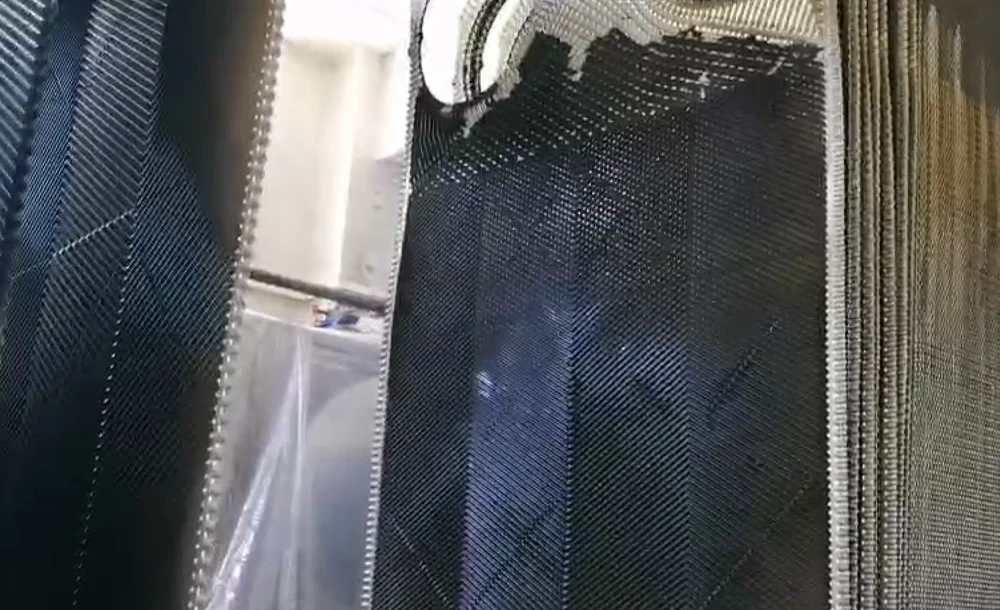
| Observed change | Possible causes | Evidence to gather |
|---|---|---|
| Reduced duty with rising pressure drop | Deposits, restriction, changed viscosity or higher flow | Both-side flow, fluid properties and comparable baseline |
| Reduced duty without a pressure-drop rise | Lower flow, changed inlet conditions, bypassing or surface fouling | Heat balance, valve positions and measurement checks |
| Unexpectedly low differential pressure | Lower flow, bypassing, instrument error or a change requiring investigation | Actual flow and the pressure-measurement boundary |
| Possible cross-contamination | Loss of fluid separation or another upstream source | Fluid sampling and the approved isolation/integrity procedure |
| Repeated rapid fouling | Unresolved water chemistry, upstream carryover or an unsuitable operating condition | Deposit analysis, filtration condition and load history |
A single outlet temperature or pressure difference does not prove a particular failure. Where fluid separation or the pressure boundary may be compromised, follow the site's approved response rather than continuing operation while treating the issue as ordinary fouling.
For a defined stream, transferred heat is calculated from mass flow and enthalpy change. For a compatible single-phase liquid over a suitable range, a specific-heat approximation can be used with its stated assumptions. Changing composition, phase change or strongly variable properties require a more appropriate property basis.
Compare hot-side and cold-side estimates within the expected measurement and heat-loss uncertainty. A discrepancy can indicate missing data or a measurement problem; it is not automatically proof of internal leakage.
| Construction | Relevant access | Maintenance boundary |
|---|---|---|
| gasketed plate heat exchangers | Removable plate pack, according to the manual | Preserve plate sequence, gasket specification and the required closing dimension |
| HT-Bloc welded plate heat exchanger | Configuration-specific removable covers | The core remains welded; use the approved channel access |
| wide-gap welded plate heat exchanger | Selected cover and channel arrangement | Address the actual deposit, solids and erosion condition |
| printed circuit heat exchanger (PCHE) | Bonded channels that do not open into individual plates | Cleanliness prevention and a validated cleaning approach are especially important |
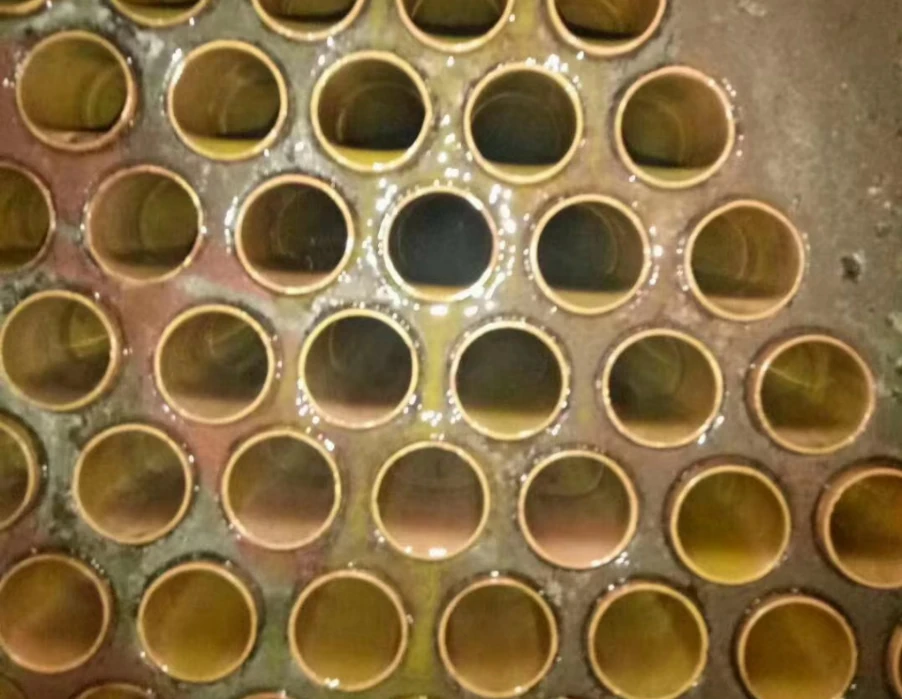
Determine whether the deposit is mineral scale, biological material, oil, polymer or suspended solids. Review the compatibility of the plate, welds, gaskets and other wetted components before selecting a cleaner.
Concentration, temperature, exposure time and any mechanical jet pressure must come from the approved procedure for that equipment. The same acid or high-pressure setting should not be applied to every alloy, plate thickness or construction.
Cleaning-in-place means cleaning without dismantling the relevant equipment. It does not necessarily mean cleaning a live process stream. Isolation, routing and the disposition of cleaning liquid must be defined by the site procedure.
Record what was removed and inspect the surfaces or components accessible under the approved maintenance scope. Replacement parts should match the equipment identification and original specification. Pressure-boundary repairs and testing need the applicable qualified procedure and acceptance criteria.
After the approved return-to-service checks, re-establish flow, duty and pressure drop at a known operating condition. This confirms whether cleaning restored performance and supplies a baseline for the next campaign.
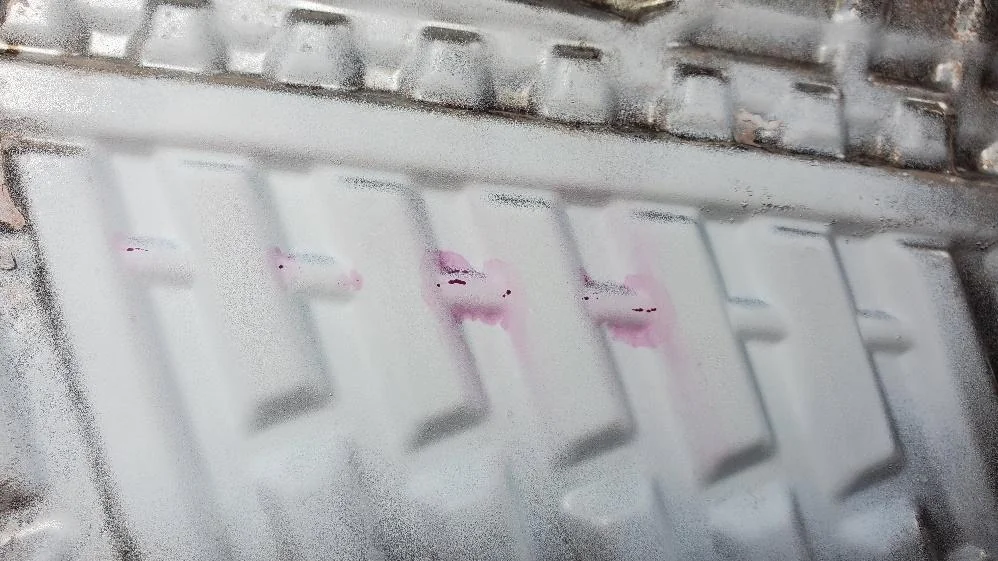
Track water chemistry, upstream filtration, load changes, cleaning results and the condition of replaced components. Set inspection and cleaning triggers from the service history and manufacturer guidance, rather than a universal calendar interval.
Smart Eye monitoring and optimization can support trending where the required instruments and integration are available. SHPHE service support can assist with equipment identification, operating-data review, maintenance support and spare parts. Supply the tag, serial number, relevant data and photographs to make the investigation focused.



 English EN