
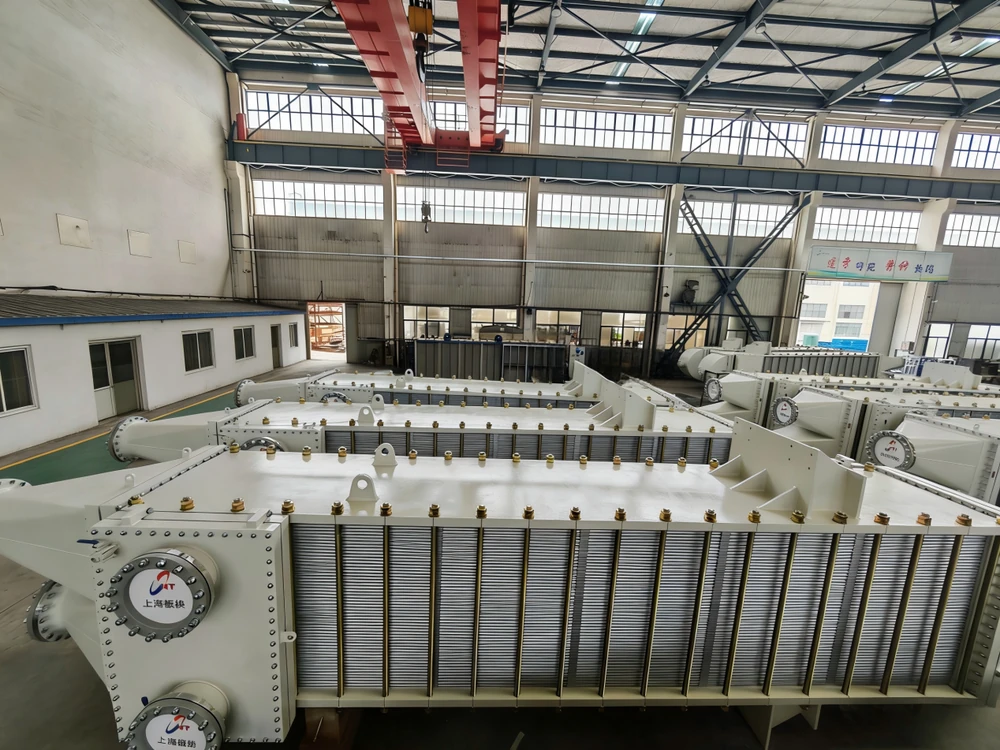
SHPHE has delivered plate heat exchangers to the port for shipment to an alumina project in Guinea. The announcement highlights the company's experience in alumina heat-transfer applications and the need to manage fouling, wear and maintenance in large production facilities.
An alumina plant contains both process-slurry duties and comparatively clean utility circuits. The process location determines the fluid chemistry, solids loading and temperature profile. Those differences should remain visible in the equipment schedule instead of being grouped under a single “alumina exchanger” description.
For example, seeded precipitation cooling can require a passage that accommodates suspended solids. A closed-water utility exchanger has a different task: controlling the temperature of a managed water loop while isolating it from an external source.
| Application direction | Relevant design focus | Product family to evaluate |
|---|---|---|
| Precipitation or other solids-bearing process cooling | Particle distribution, alkaline chemistry, inlet erosion and cleaning | wide-gap welded plate heat exchanger |
| Compatible utility-water exchange | Water chemistry, close temperature control and removable plate access | gasketed plate heat exchangers |
| Heat recovery | Matching source and receiving streams across the operating range | Duty-specific thermal review |
This application distinction explains selection priorities; it does not assign an unpublished datasheet to the units in the shipment announcement. The delivered equipment's approved records define its particular service.
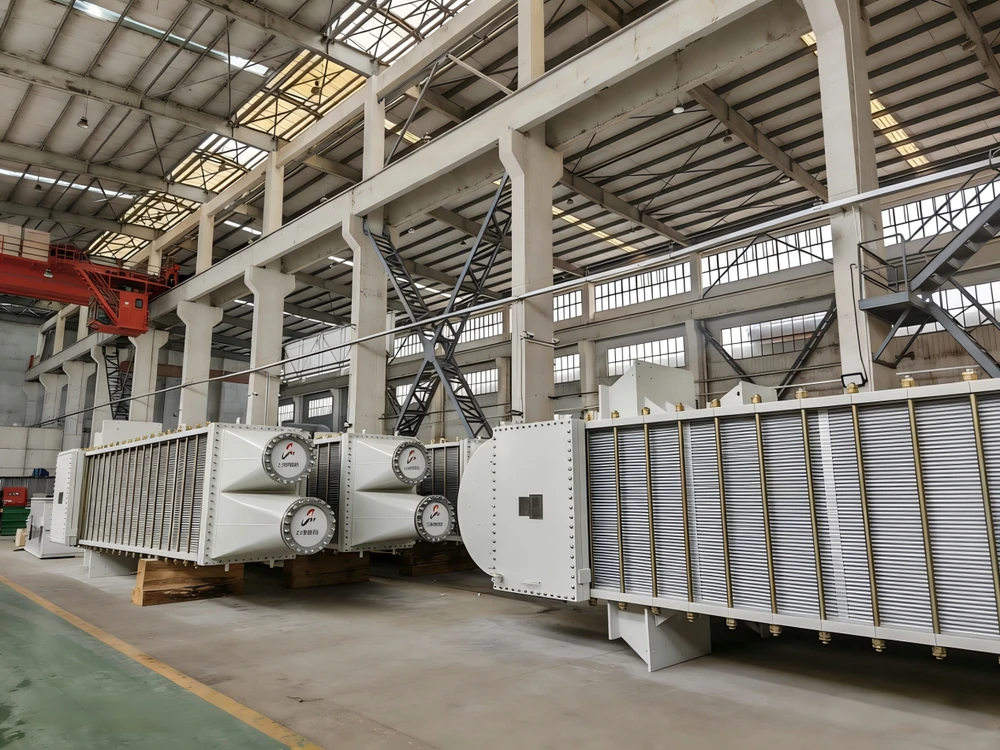
A wider channel can help accommodate the specified slurry, but reliable operation also depends on filtration or screening where required, stable flow, suitable materials and a workable cleaning method. Pump selection and control should account for the exchanger's pressure drop at the relevant operating cases.
For an overseas plant, operating instructions, spare-parts identification and clear equipment traceability help the site team maintain the intended design after shipment.
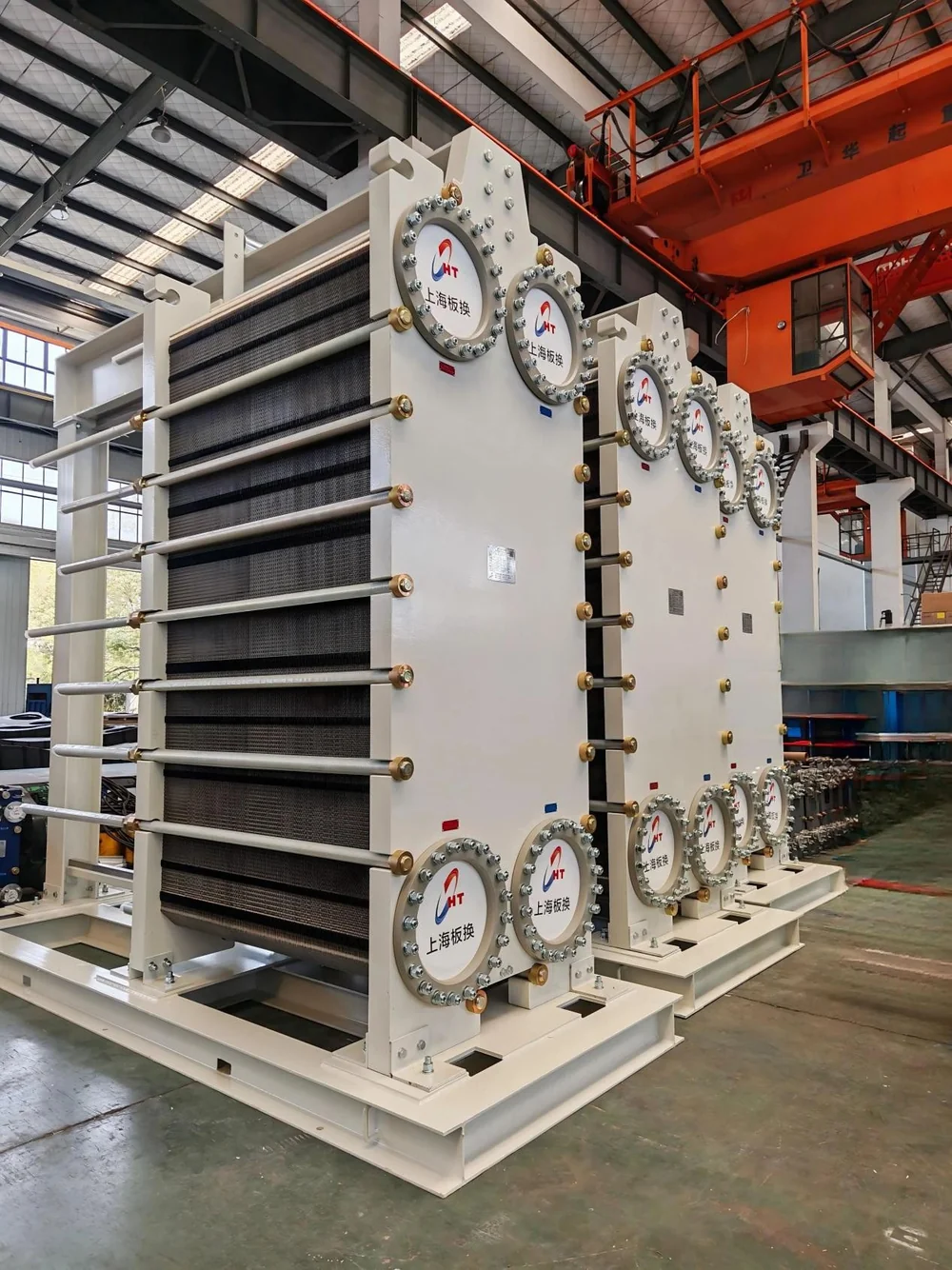
Confirm transport and lifting requirements, storage preservation, inspection records and the documents needed for installation. At commissioning, record the clean-equipment operating point and agree how later performance changes will be assessed.
For a new alumina enquiry, send a tag-by-tag duty list with fluid composition, solids and viscosity data, temperature and flow cases, pressure-drop limits and the intended maintenance arrangement. SHPHE can then review product suitability at each process position.



 English EN