
Industrial heat exchanger selection starts with the process duty: what must be heated or cooled, what the fluid carries and how the equipment will be maintained. This application overview connects SHPHE's plate heat exchanger families with process, utility, marine and heat-recovery services, while keeping the differences between them clear.
| Primary constraint | Product family to evaluate | Information that decides suitability |
|---|---|---|
| Welded process channels with accessible covers | HT-Bloc welded plate heat exchanger | Fluid composition, fouling and maintenance access |
| Solids, fibers or viscous slurry | wide-gap welded plate heat exchanger | Particle distribution, rheology, settling and erosion |
| Welded plate-and-shell process equipment | TP welded plate heat exchanger | Thermal duty, pressure envelope and enclosure arrangement |
| Compact high-pressure clean-fluid duty | printed circuit heat exchanger (PCHE) | Channel cleanliness, pressure differential and thermal cycles |
| Compatible liquid duty with removable plates | gasketed plate heat exchangers | Plate and gasket compatibility, flow and cleaning needs |
| Exhaust or process-gas heat recovery | plate air preheater | Gas composition, dust, dew point and fan margin |
These are starting directions, not interchangeable equipment ratings. The proposed unit's datasheet, materials and configuration determine the actual operating limits.
Compact welded plate equipment is considered for liquid heat recovery, coolers and selected condensing or reboiling duties. In a revamp, the review should include the source of recoverable heat, the receiving stream, the thermal approach and cleaning access.
In gas-treatment systems, a lean/rich exchanger recovers energy between regenerated lean solution and loaded rich solution. Material selection should account for the complete solution chemistry and contamination. The recoverable duty and both-side pressure loss should be compared at the same process conditions.
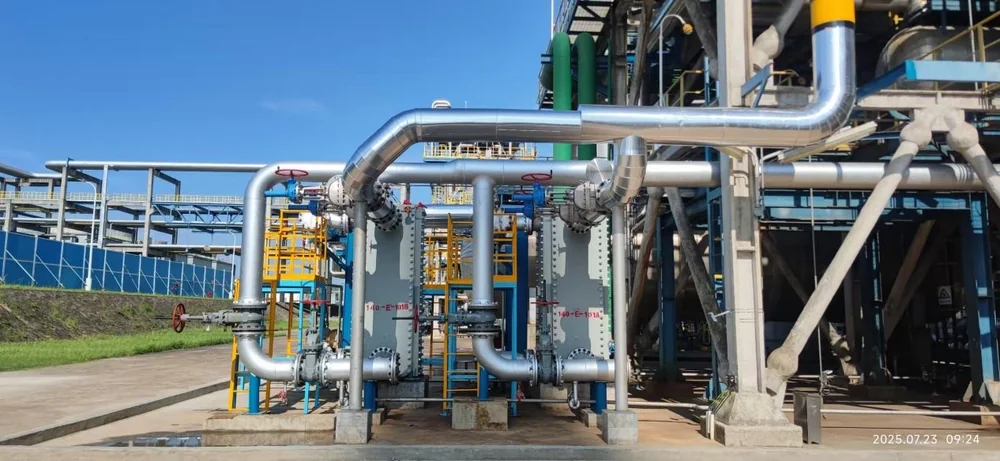
Gas coolers may operate after compression or within purification processes. Pressure containment, fluid composition, condensate formation and upstream separation are important selection inputs. A gas duty should not be assigned to a liquid-service configuration solely because both products use plates.
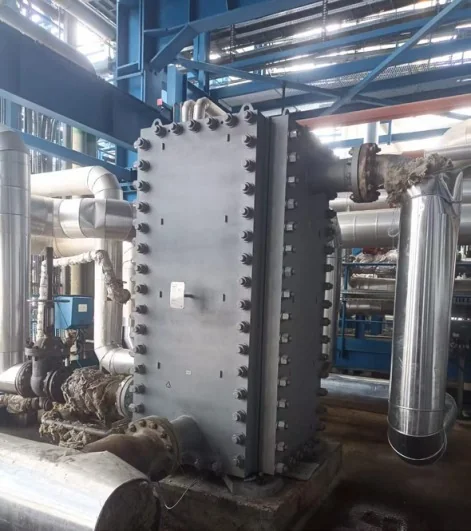
Crude composition, wax and asphaltene behavior, water chemistry and entrained solids determine the fouling and corrosion assessment. Accessible covers can support inspection and cleaning when the installed layout leaves the required service space.
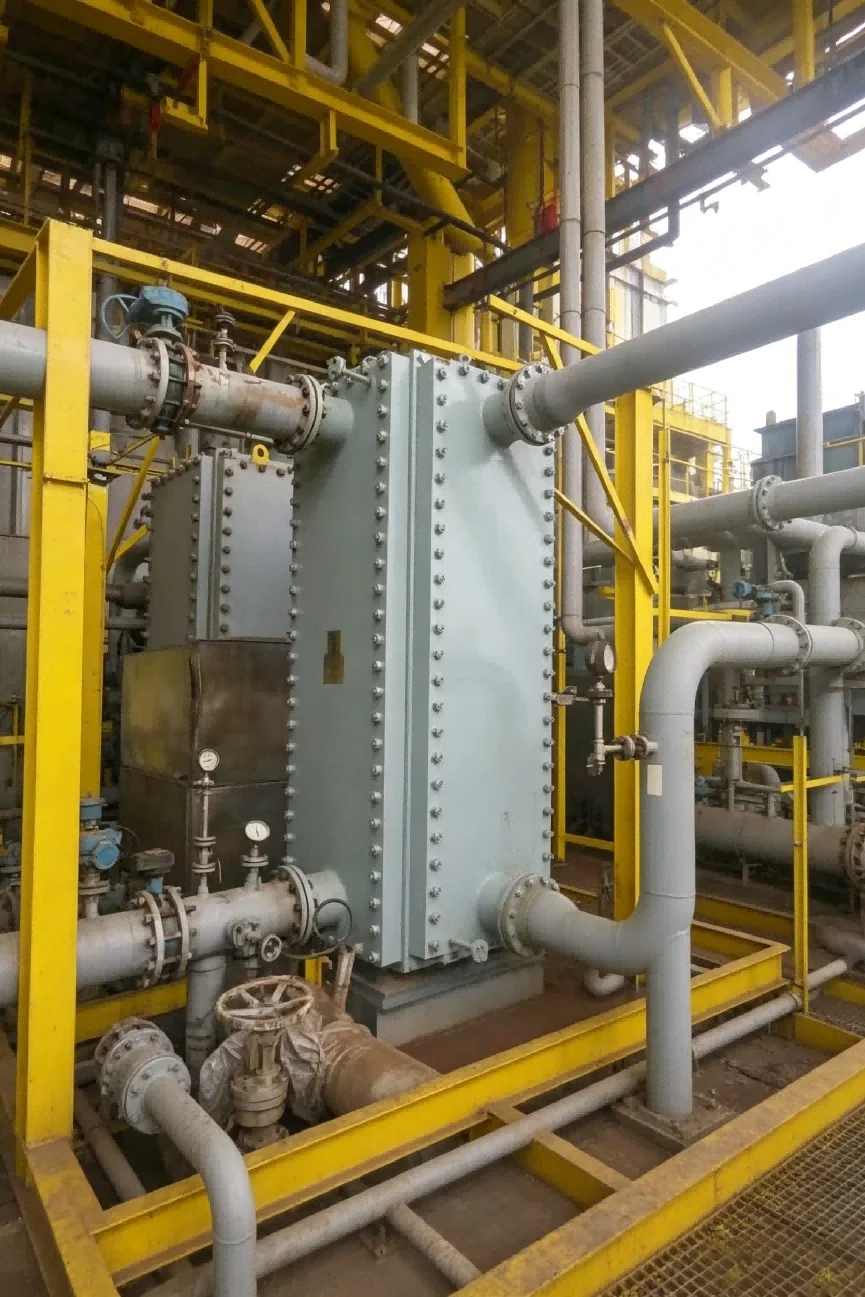
Heat recovery from hot saline water requires a joint review of alloy compatibility, concentration, scaling and operating wall temperature. A corrosion-resistant alloy is selected for the identified medium; no alloy designation is a universal guarantee against every brine or mixed-acid service.
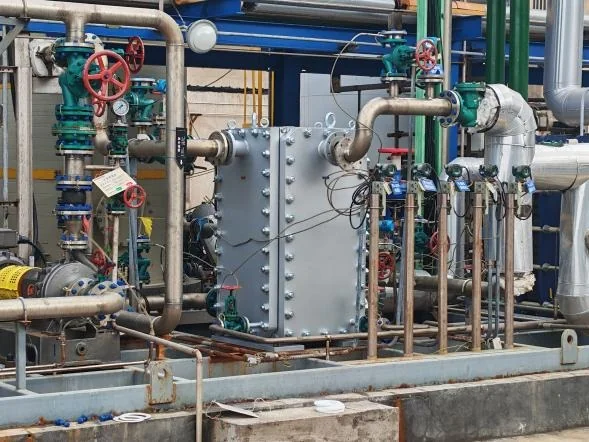
Wide-gap welded plate heat exchangers are evaluated where solids or fibers make ordinary narrow passages unsuitable. Channel gap, inlet distribution, orientation and cleaning method should be selected together. A larger gap alone does not establish the minimum velocity needed to keep the actual suspension moving.
Precipitation-slurry cooling must maintain the required temperature profile while handling alkaline liquor, seed crystals and deposit formation. Vertical and horizontal arrangements are reviewed against site layout, distribution and the planned cleaning route.
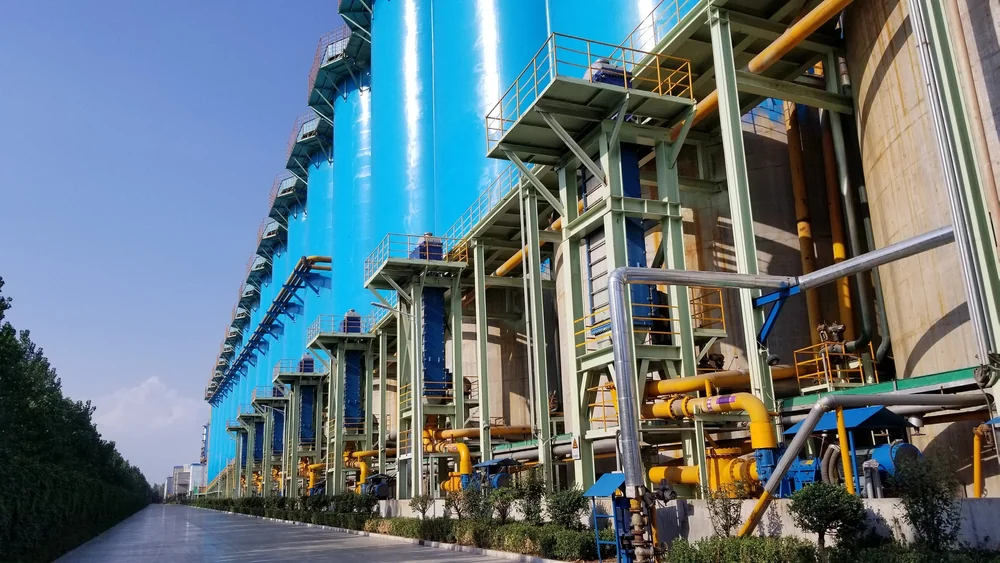
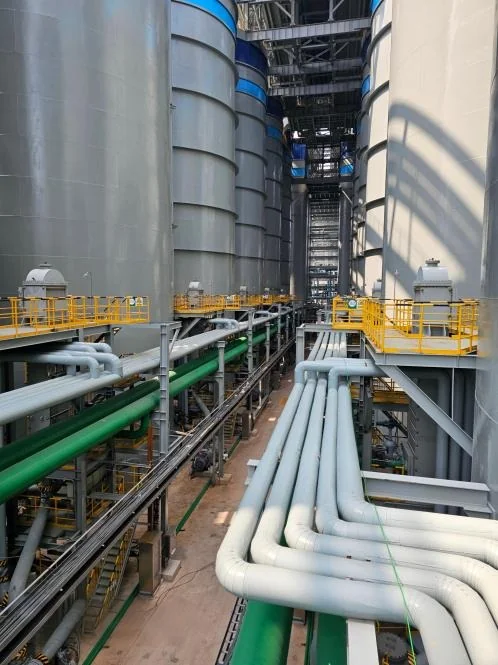
These duties may have different solids and chemistry conditions from seeded precipitation. Specify the stream at the actual process location, including its concentration, temperature range and cleaning requirements, instead of treating all alumina exchangers as one identical slurry service.
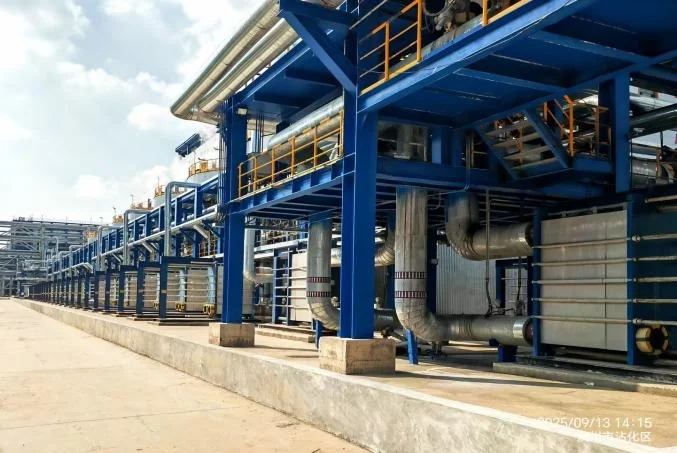
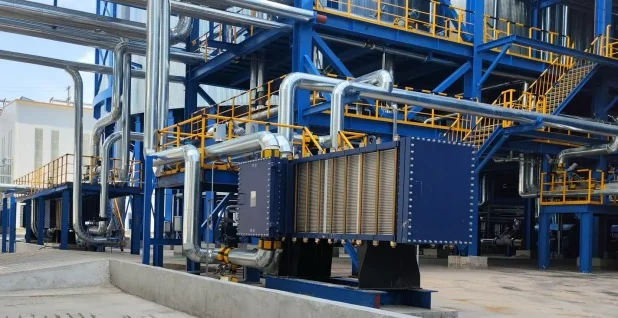
Syrup viscosity rises as concentration increases or temperature falls. The thermal design should therefore include the coldest relevant condition and the mill's allowable pumping demand. Passage geometry and cleaning access are also influenced by upstream fiber carryover.
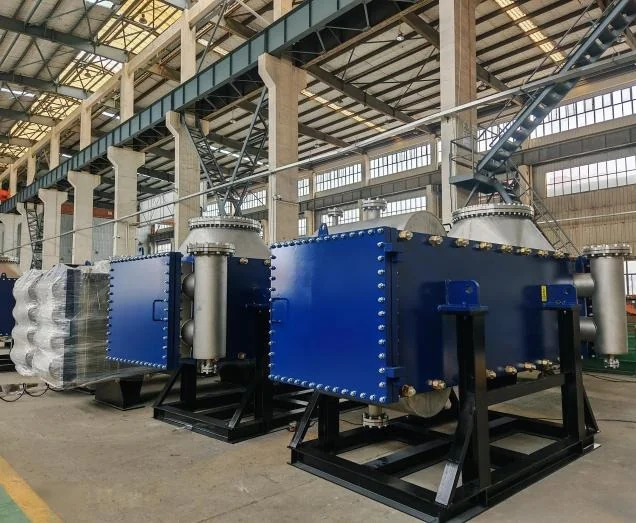
Mash can contain suspended solids, biological fibers and a viscosity that changes during processing. Equipment selection should preserve the required process temperature while keeping the chosen cleaning method accessible and compatible with the plate material.
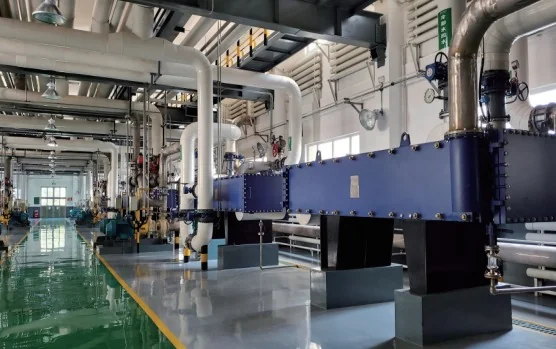
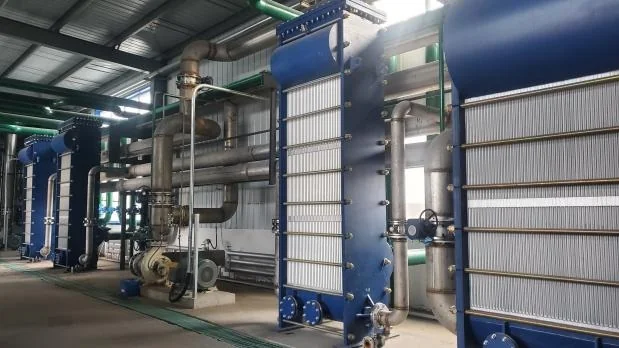
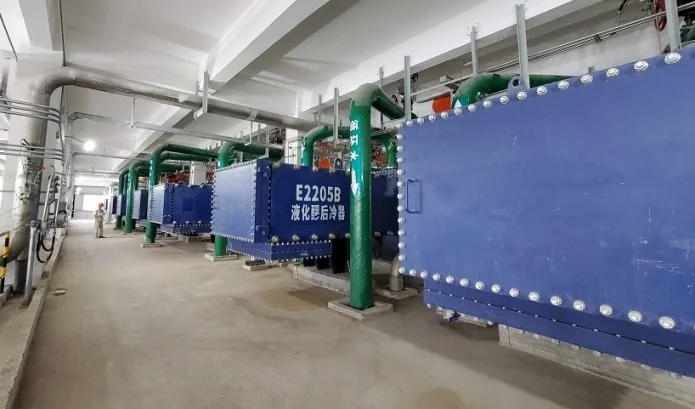
LFP pretreatment slurry, pulp-related water and other particulate streams require their own particle-size and rheology data. They should be separated from hot-exhaust recovery duties in the equipment schedule. Upstream screening and a distribution design that limits local wear remain important even with wide channels.
PCHE and TP equipment have different core construction and maintenance routes. PCHE uses diffusion-bonded channels for defined clean-fluid duties. TP provides a welded plate-pack arrangement within a selected enclosure. The two should be compared on the process requirements rather than grouped under one pressure or cleanability claim.
For a compact gas cooler, review composition, design pressure, pressure cycling, minimum temperature and channel cleanliness. Hydrogen compatibility and fatigue assessment belong to the specific material and equipment design.
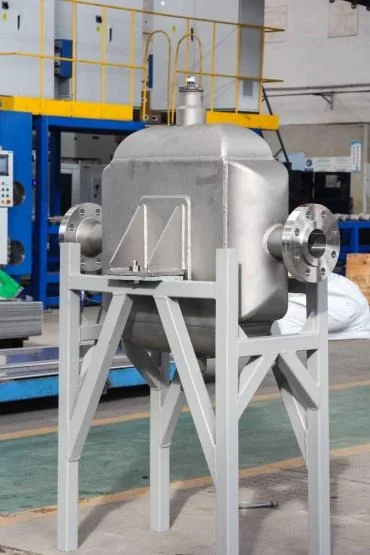
Acrylic-acid service requires attention to corrosion, polymerization tendency, residence-time distribution and the process licensor's operating limits. The complete inlet condition and condensation profile are more useful design inputs than a single nominal outlet temperature.
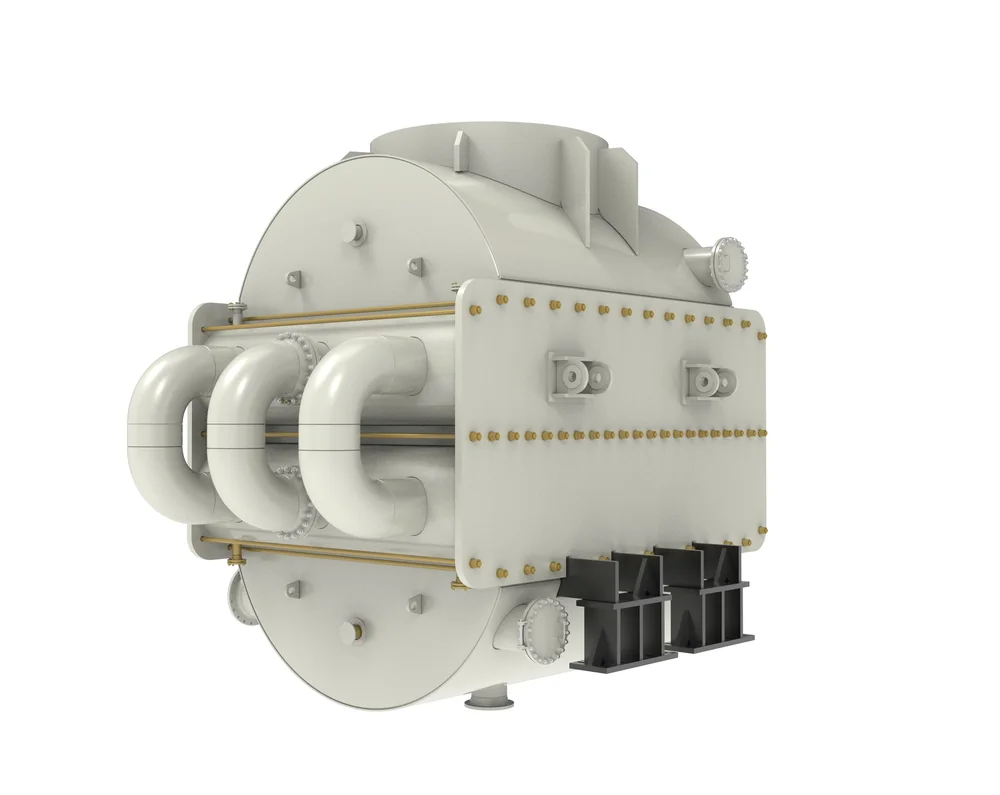
Purification coolers must be matched to the process chemistry and continuous-duty requirements. Internal plate heaters can use available column space, but installation, support, inspection and removal arrangements need to be resolved with the column design.
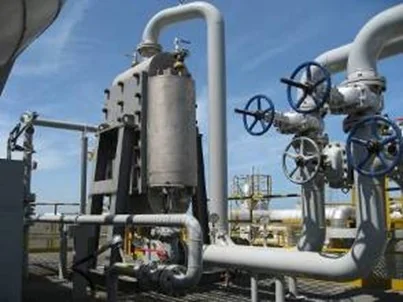
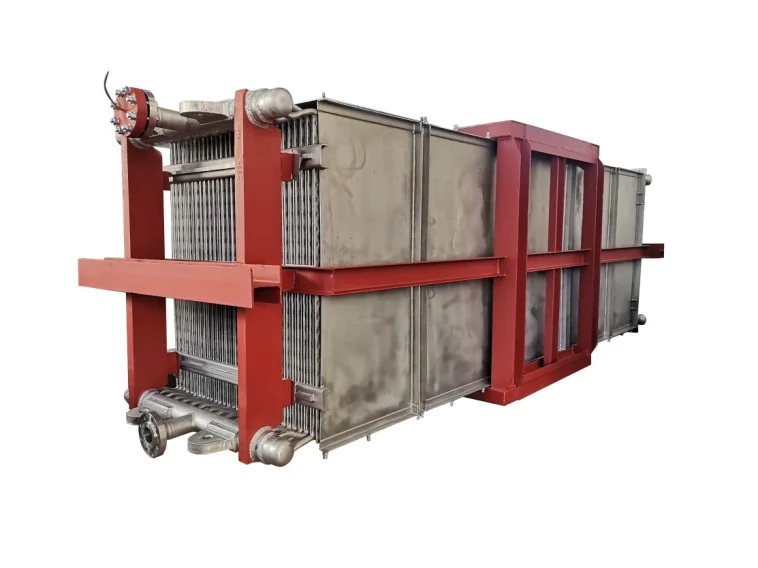
Removable plate packs are valuable where inspection and cleaning access are important and the selected plate and gasket materials suit the fluids. Chemical utilities, POE process support and battery-material cooling circuits require separate datasheets for their own temperature, pressure and compatibility limits.
Closed cooling water is typically isolated from an external cooling source to support controlled water chemistry. Seasonal cooling-water temperatures, minimum flow, redundancy and maintenance access should be included in the design basis.
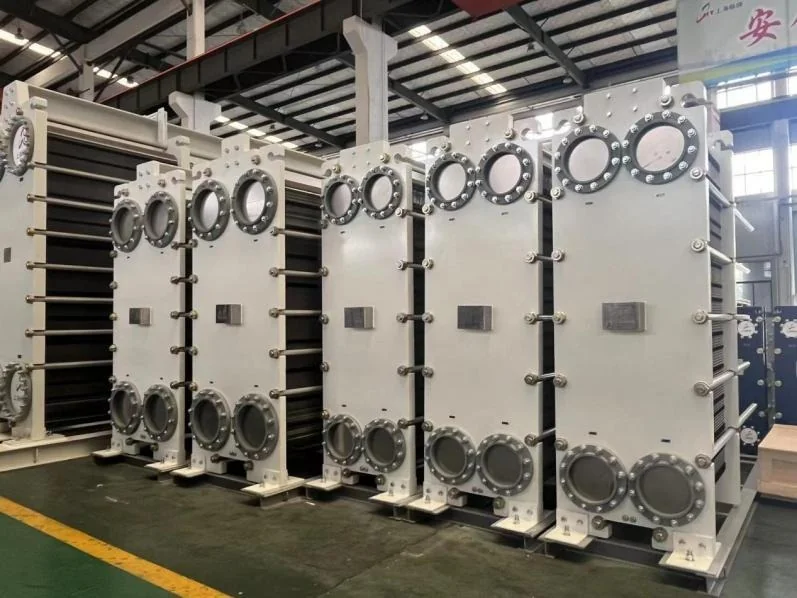
An exchanger can transfer heat while separating the pressure boundaries of primary and secondary heating networks. Pumps, valves, controls and protection must be reviewed as part of the station, with the required thermal duty and hydraulic limits stated for each circuit.
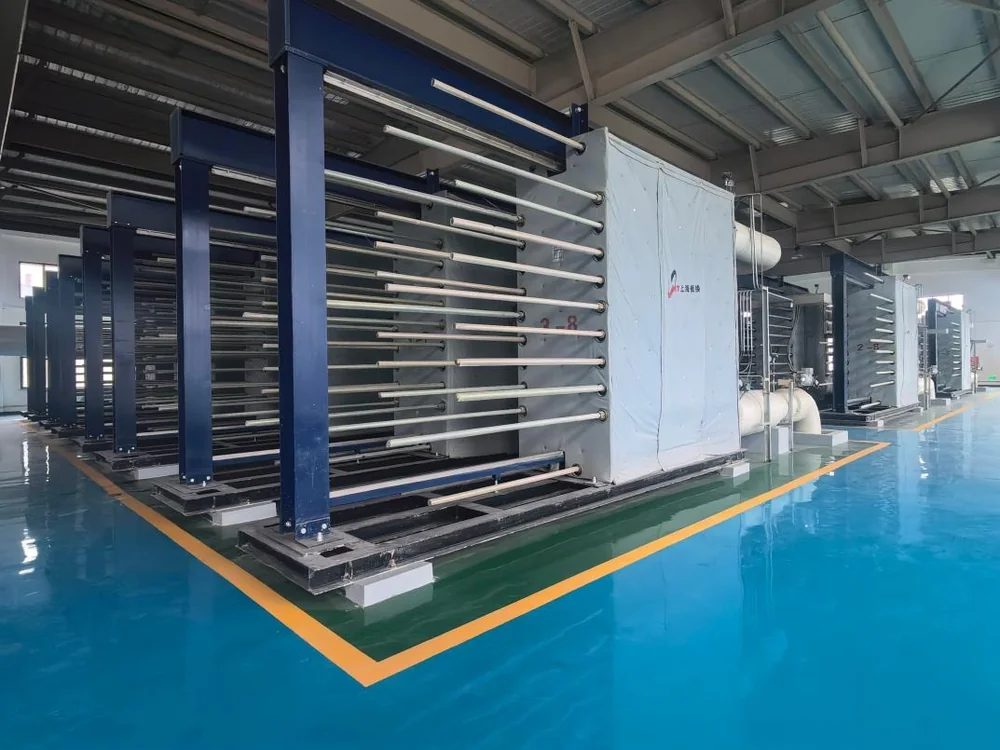
Vessel central cooling, jacket-water, lubrication and desulfurization-support systems combine limited space with demanding water chemistry and access conditions. Seawater service may require titanium or another project-approved material; the choice depends on the complete medium and design conditions.
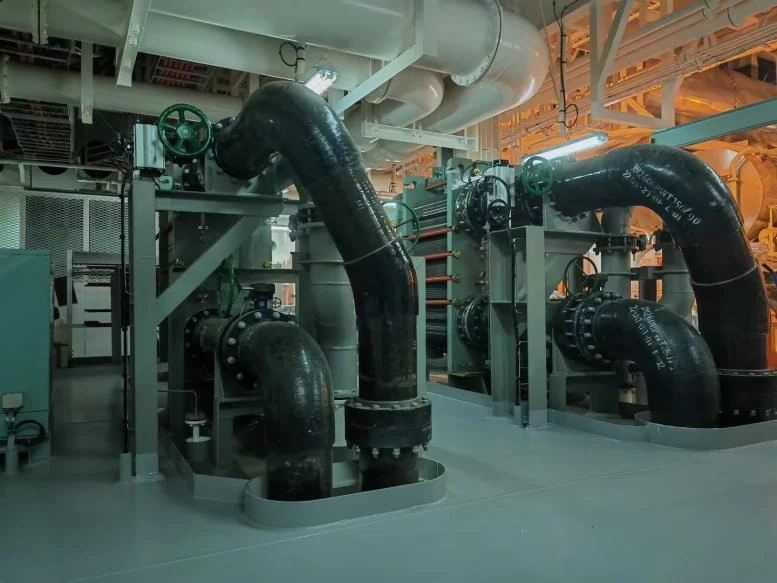
Classification requirements, vibration, coatings, operating weight and maintenance clearances should be specified alongside duty. A compact exchanger cannot be assessed independently from its piping, supports and isolation arrangement.
Gas heat recovery must account for dust, gas composition, local wall temperatures and the available fan pressure. The net energy benefit includes recovered heat and additional electrical demand. Cold-end corrosion control is selected for the actual dew-point conditions.
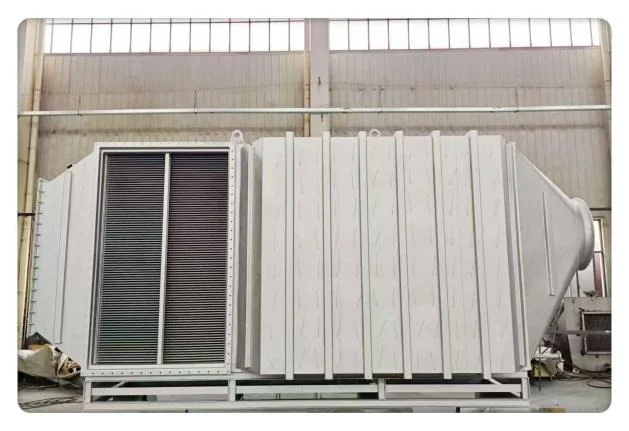
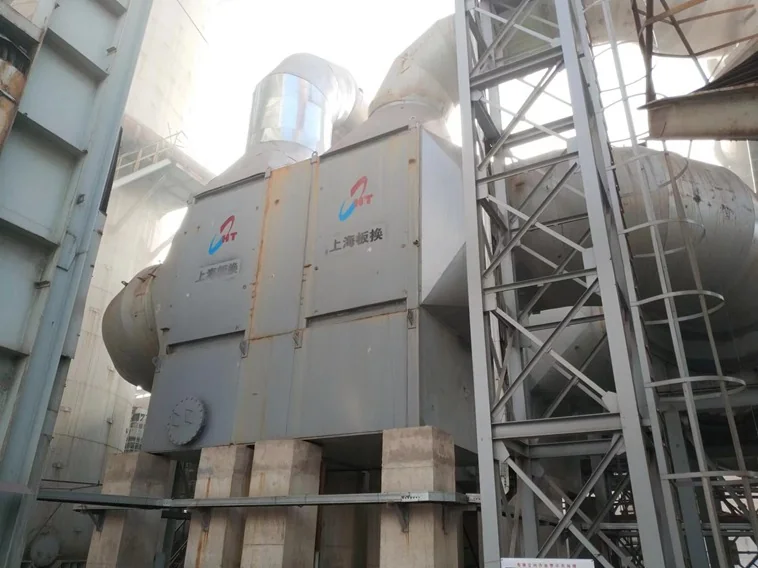
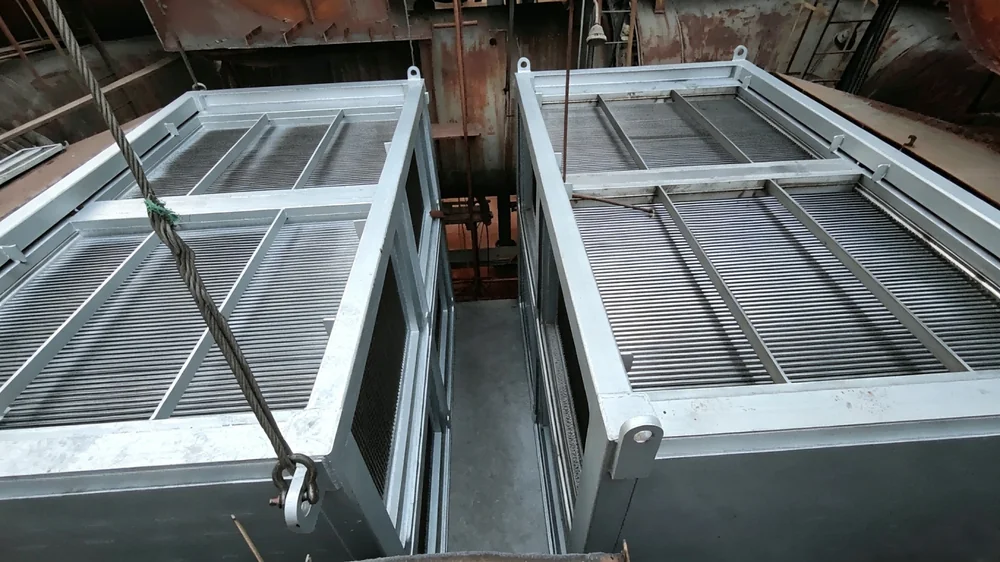
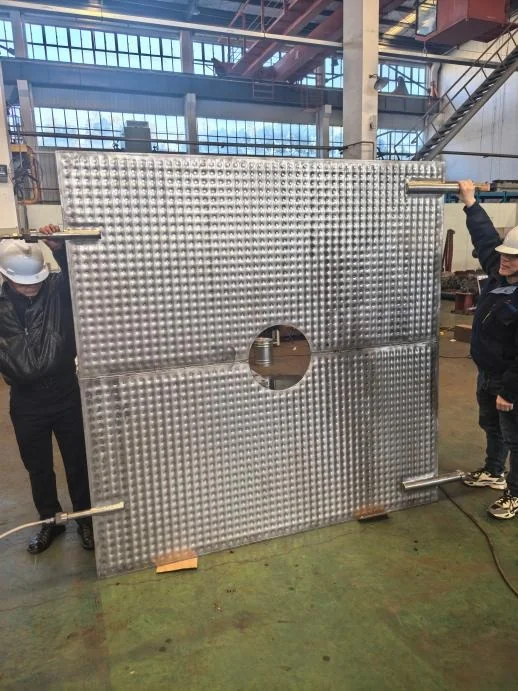
Plate-pair and modular arrangements can be matched to the plant's transport, installation and replacement strategy. Cleaning access and the removal of accumulated dust should be considered before finalizing the duct layout.
A skid can integrate the exchanger with piping, valves, instruments, pumps and controls according to an agreed package boundary. Factory assembly can move inspection and interface work away from a constrained site, but the package still requires planned connection, commissioning and acceptance.
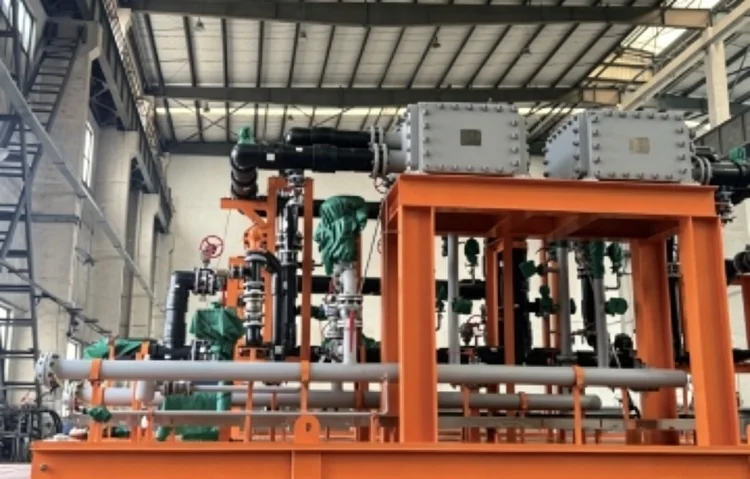
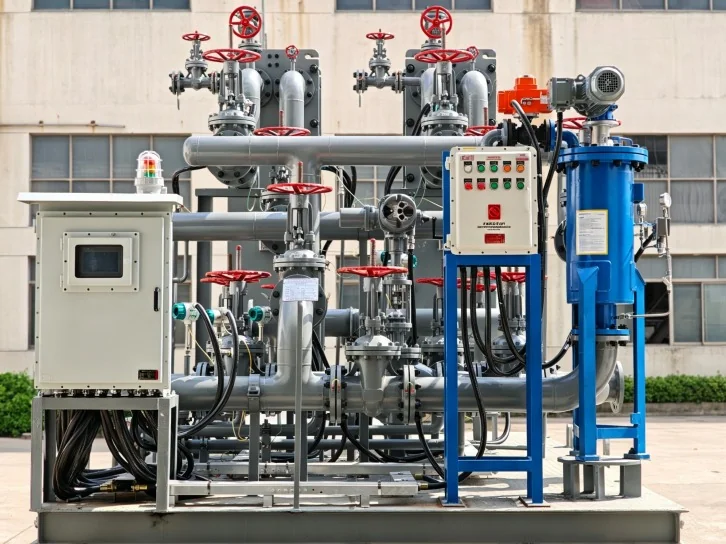
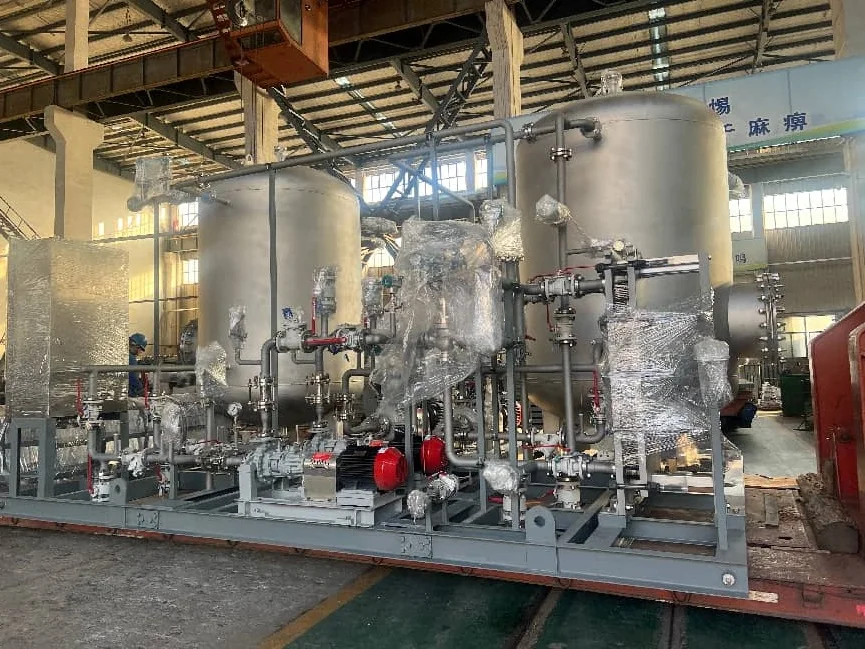
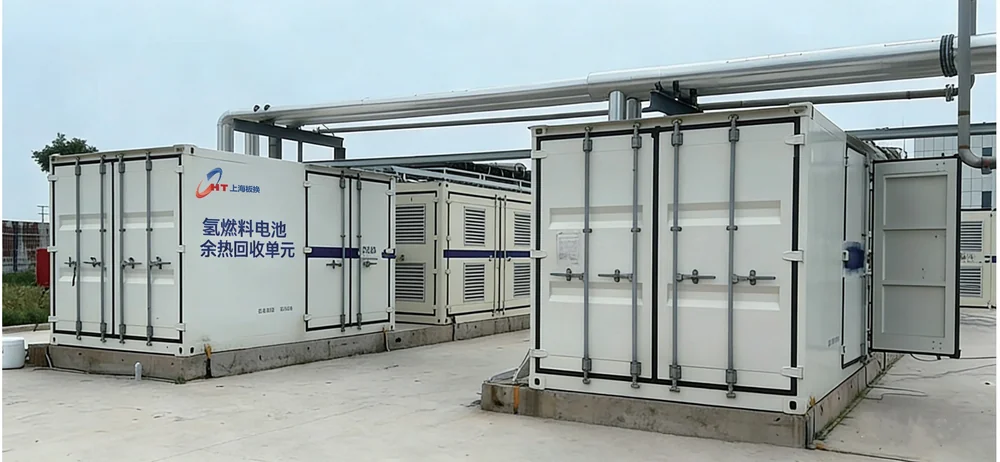
LNG cold-energy recovery must distinguish a cold intermediate loop from the cryogenic process circuit. Fuel-cell heat recovery requires a receiving heat demand at a useful temperature. Neither duty should be treated as an automatic source of usable energy without checking temperature levels, operating hours and controls.
Start with an exchanger schedule, identify each fluid pair and provide normal, minimum and maximum conditions. Add solids, chemistry, allowable pressure drop, mechanical requirements and access constraints. This lets SHPHE assess the relevant product family and define what belongs in the exchanger supply and what belongs in the wider plant package.



 English EN