
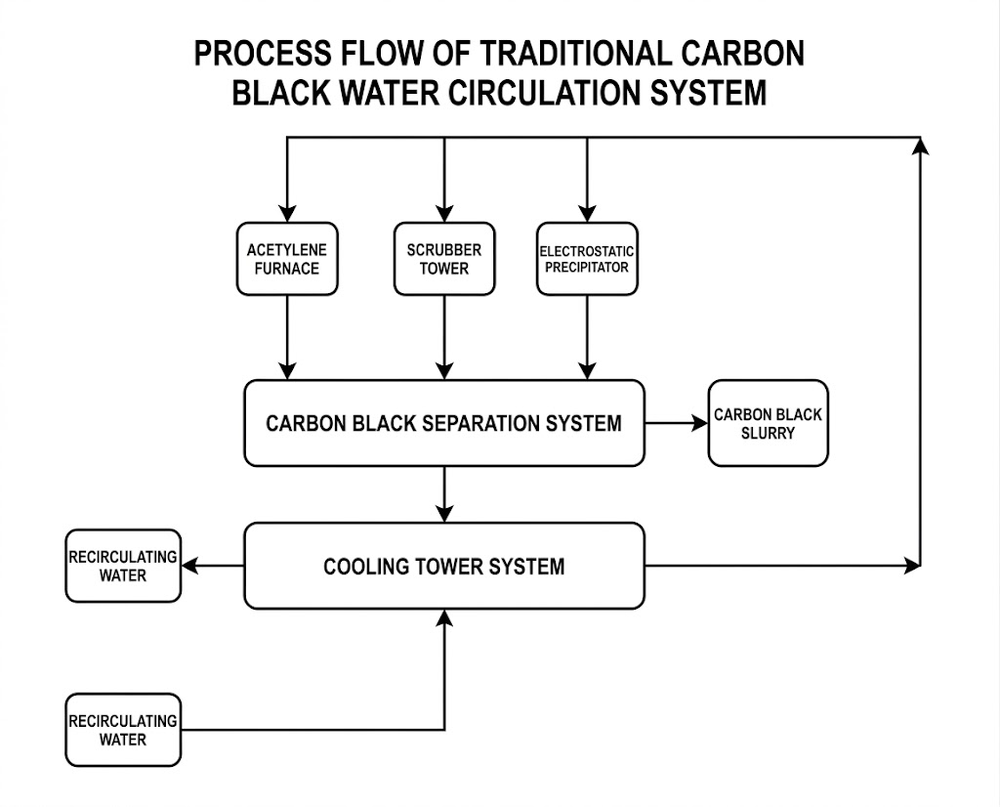
Carbon-black water cooling in an acetylene plant combines fine solids, deposit formation and difficult maintenance. SHPHE's published application describes replacing a frequently blocked gasketed exchanger with a wide-gap welded unit designed around the actual slurry and its cleaning requirements.
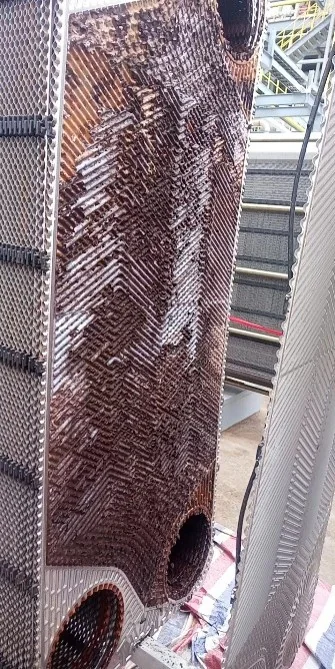
The previous equipment used narrow, contact-rich plate passages. In this particular carbon-black water duty, significant blockage developed in approximately one week. Frequent plate-pack opening and cleaning added handling work and increased the opportunity for plate or seal damage.
The problem was therefore not simply insufficient heat transfer area. The maintenance method, channel geometry and ability to pass the process solids all needed to be considered together.
| Feature reported for this unit | Engineering purpose |
|---|---|
| 16 mm process-channel gap | Accommodate the defined solids-bearing stream with fewer restrictions |
| 2 mm plate thickness | Support the specified mechanical and maintenance requirements |
| Design flow velocity above 1.5 m/s | Address deposition while remaining within the project's hydraulic design |
| Removable end flanges | Provide an approved route for channel inspection and mechanical cleaning |
These are parameters of the reported installation, not universal sizing rules for carbon-black water. A new slurry may differ in solids concentration, agglomerate size, viscosity, abrasiveness and temperature.
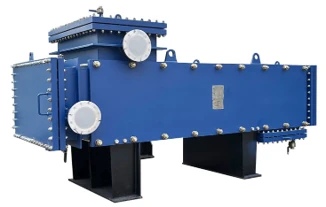
The wide-gap welded plate heat exchanger product family allows passage and inlet arrangements to be tailored to the medium. Maintaining flow can discourage settling, but excessive local velocity can increase wear. Inlet distribution is therefore important: it should avoid directing a concentrated slurry jet at a small area of the plate pack.
Evaluate normal and minimum flow, not only the maximum design case. A line that spends substantial time at low throughput may need a different operating or cleaning strategy from a continuously loaded production line.
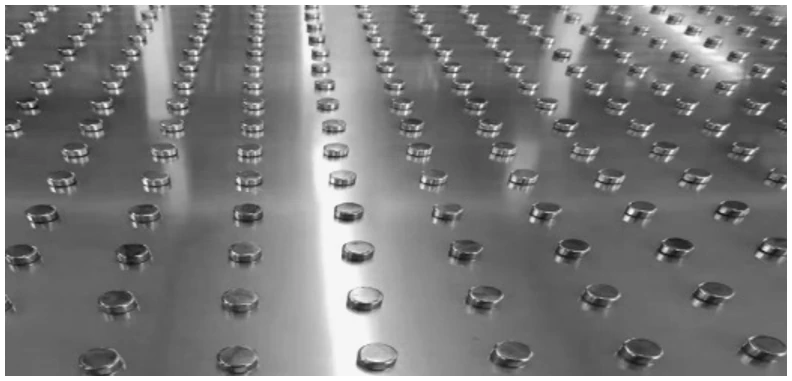
SHPHE's application report states that the interval before blockage extended from about one week to about three months following the replacement. It also describes improved access for mechanical cleaning. This result belongs to the reported site and should be assessed alongside its slurry properties and operating history.
For a new installation, agree a performance baseline, inspection triggers and the evidence needed to confirm improvement. Useful measures include pressure drop at comparable flow, thermal duty, cleaning duration and the condition of the plate surfaces after service.
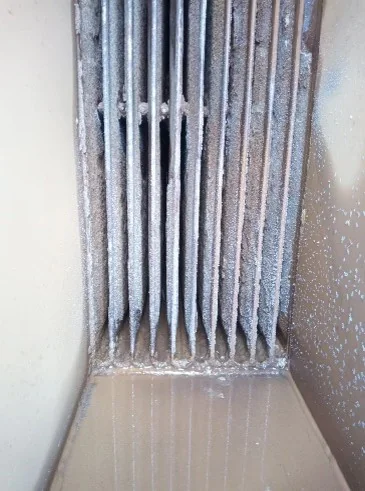
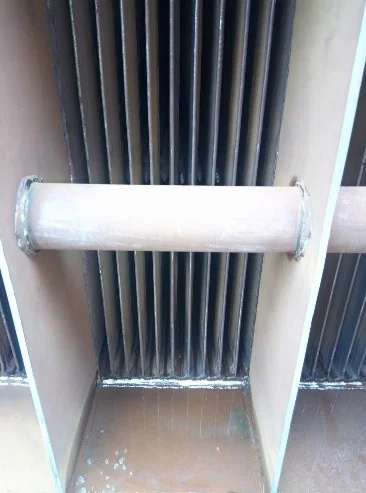
Supply the carbon-black water composition, solids and agglomerate-size data, operating temperature, viscosity, flow range and cooling requirement. Include the existing blockage pattern, photographs of deposits and the available maintenance window. These inputs help SHPHE evaluate whether a wide-gap configuration addresses the underlying process constraint.



 English EN