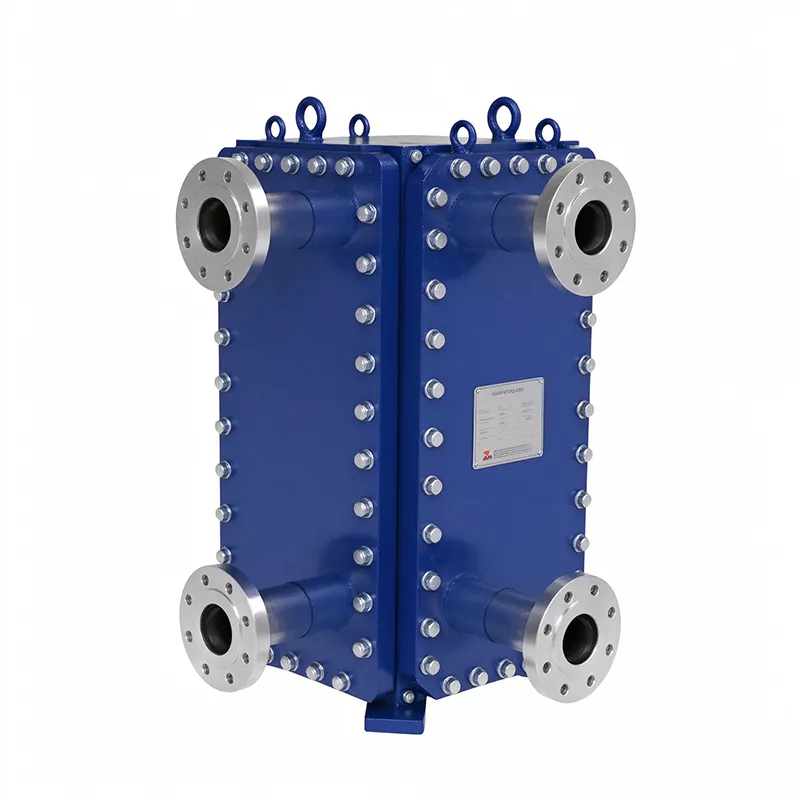
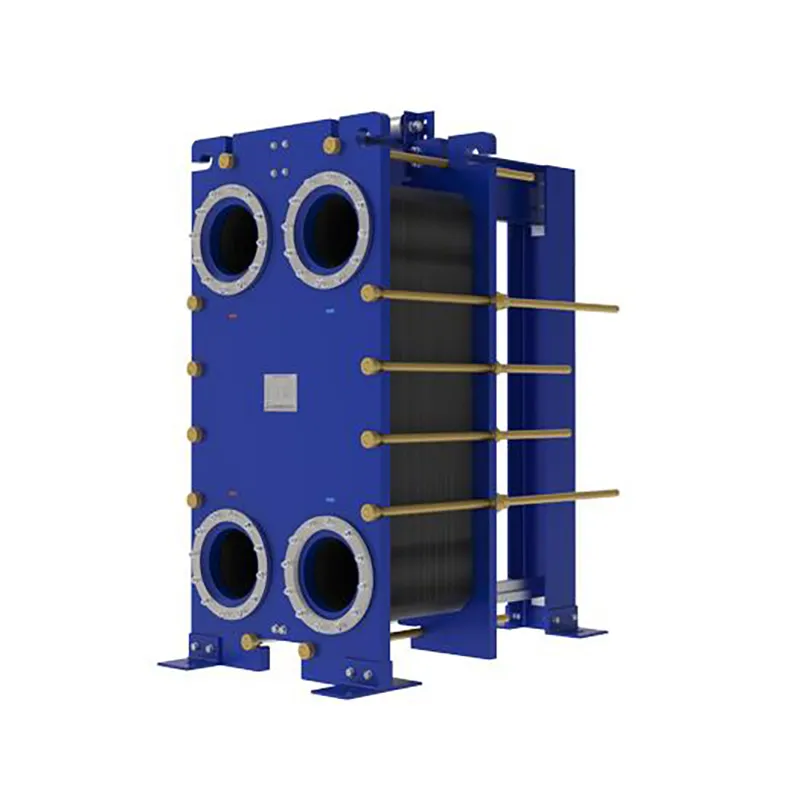
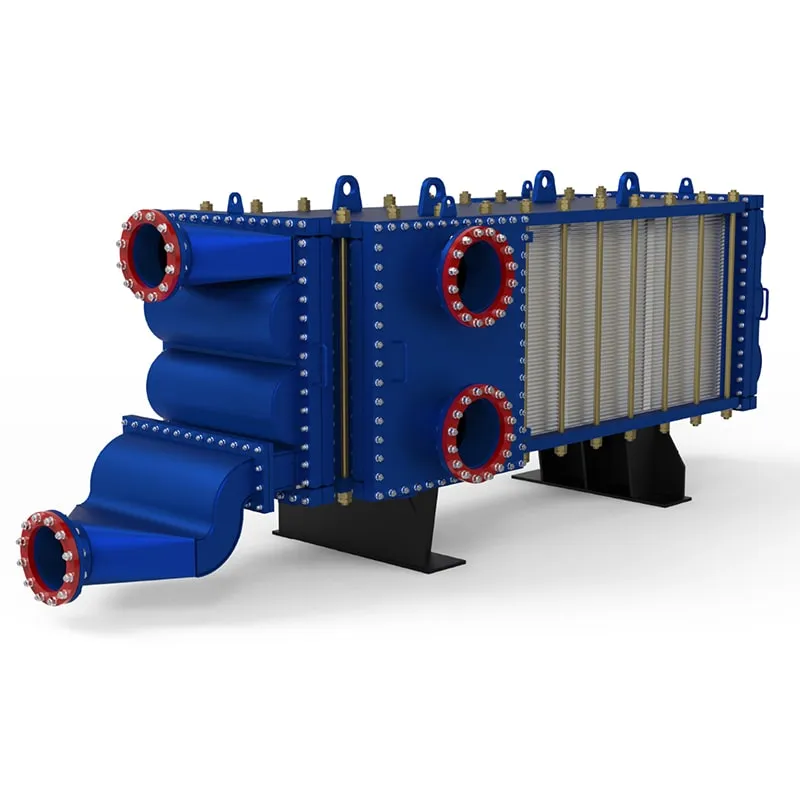
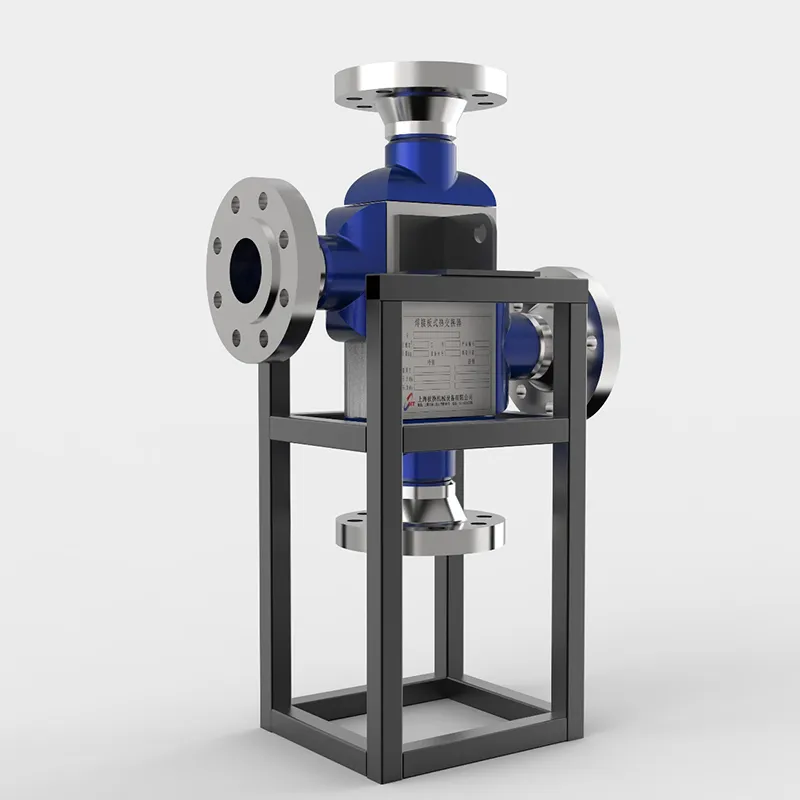
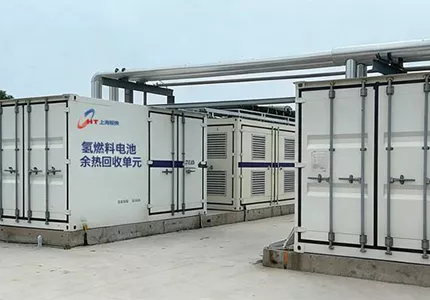
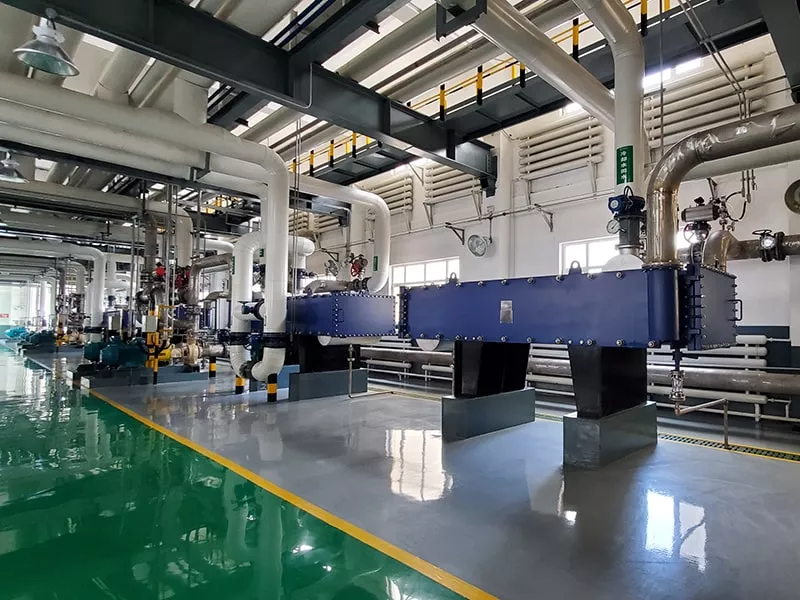
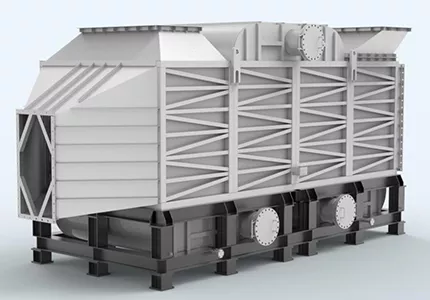
The new energy industry has diverse heat exchange requirements, including heat transfer for solar thermal systems, geothermal fluid temperature control, cooling of hydrogen and battery process streams, and waste heat recovery across new-energy production processes. It demands efficient, durable heat exchangers, including plate heat exchangers (PHEs), shell-and-tube heat exchangers and compact heat exchangers, built to withstand high temperatures, pressures and corrosive fluids. Priorities lie in optimizing energy efficiency, cutting heat loss and boosting system performance. These heat exchangers tackle challenges such as thermal fluctuations and inefficient energy conversion while supporting environmental sustainability, enabling reliable, cost-effective operation for renewable energy systems.
-
High-Temperature & High-Pressure Resistance
Engineered for extreme high-temperature and high-pressure conditions in Concentrated Solar Power (Molten Salt) and supercritical CO2 (sCO2) power systems, our PCHEs utilize advanced chemical etching and diffusion bonding technologies to ensure safe, reliable, and highly efficient operation under the harshest conditions.
-
High Thermal Efficiency
Heat exchangers in the new energy industry must achieve high thermal efficiency to maximize energy transfer and minimize heat loss. This is crucial for systems like solar thermal plants and geothermal power stations, where even small efficiency improvements can significantly enhance overall performance. Advanced designs, such as compact plate heat exchangers, are preferred for their ability to provide large surface areas and optimal heat transfer rates, ensuring effective energy utilization.
-
Corrosion Resistance
Heat exchangers must be corrosion-resistant to withstand harsh working environments, such as exposure to geothermal fluids or industrial waste heat. Materials like stainless steel, titanium, or specialized coatings are often used to prevent degradation and extend the lifespan of the equipment. This ensures reliable operation and reduces maintenance costs in renewable energy systems.
-
Compact and Lightweight Design
A compact and lightweight design is essential for heat exchangers in the new energy industry, especially in applications like solar thermal systems or mobile waste heat recovery units. Compact designs save space, reduce material costs, and improve installation flexibility. Plate heat exchangers are particularly favored for their high efficiency-to-size ratio, making them ideal for modern renewable energy applications.
-
Suitable for Fatigue Conditions
The intermittent and unstable nature of solar and wind power presents a significant fatigue-cracking risk for heat exchangers. Our PCHEs address this challenge by diffusion bonding plates into a single monolithic metal block. This effectively eliminates stress concentration at weld seams, ensuring safe and reliable operation under cyclic fatigue conditions.






 English EN